
Washing Machine Leaking: That Could Have Been Avoided
Arriving at the home, the atmosphere was thick with humidity and the unmistakable odour of mould from wet carpet and underlay. The homeowner’s son returned to find the living room flooded, carpets soaked, tiles submerged and belongings floating in the water.
The cause: the washing machine’s wastewater outlet hose had become loose, allowing water to gush unchecked. The damage was significant — furniture and flooring compromised, and the clean-up immediately necessary.
The Significance of Water Category Classification
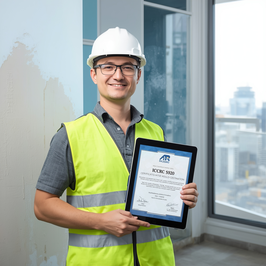
The Institute of Inspection, Cleaning and Restoration Certification (IICRC) classifies water contamination into three levels: Category 1 (clean water), Category 2 (potentially dangerous water) and Category 3 (grossly contaminated water). In this case, because water exposure exceeded 48 hours and included contaminated wastewater, it was classified as Category 3. This demanded urgent and careful restoration.
Initiating the Restoration Process
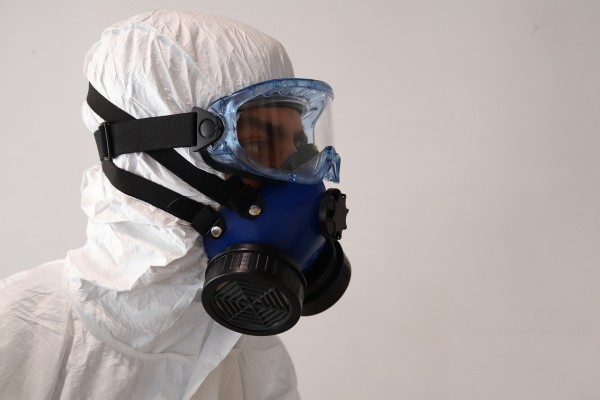
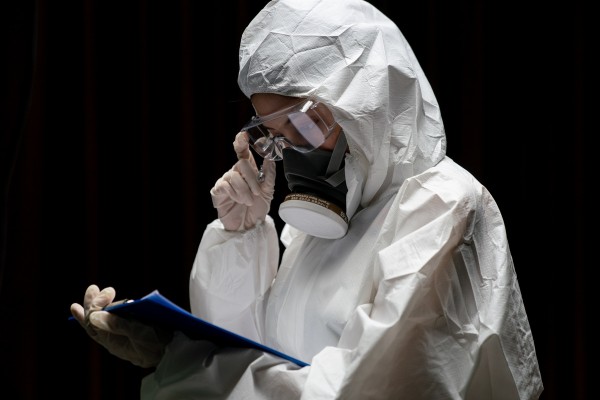
The first priority was air quality — deploy air scrubbers and dehumidifiers to filter and dry the area. The carpet needed removal and safe disposal, the area sanitised and the drying process monitored over five days.
Preventing Future Disasters
This event could have been avoided. Key preventive steps include annual washing-machine maintenance, checking hoses and fittings, ensuring proper drainage and installing water-leak sensing devices that alert homeowners before issues escalate.
Water damage can strike at any time — but with vigilance and experienced professionals like Elite Restoration on hand, you can reduce risk, protect your home and restore your life.