Intro

Mould is a common issue in many buildings, particularly in environments where moisture and humidity are present.
While small patches may seem harmless at first, mould can spread quickly and lead to property damage and potential health concerns if not properly treated.
Understanding what mould is, how it starts, how it affects humans, and why professional removal is important can help property owners address the problem before it becomes more serious.
What Is Mould?
Mould is a type of fungus that grows in damp or humid environments.
It reproduces by releasing tiny spores into the air, which can settle on surfaces and grow when moisture and organic materials are present.
Mould commonly grows on materials such as:
- Walls and ceilings
- Carpet and flooring
- Timber and building materials
- Upholstery and fabrics
- Insulation and drywall
While mould exists naturally in the environment, indoor mould growth becomes a problem when excess moisture allows it to spread within a building.

How Mould Starts
Mould typically begins developing when moisture is trapped in building materials or indoor spaces.
Common causes of mould growth include:
- Water damage from leaks or flooding
- Poor ventilation in bathrooms or kitchens
- High humidity levels
- Roof or plumbing leaks
- Condensation on walls or windows
Even a small water leak can create the conditions needed for mould to grow. In some cases, mould can begin forming within 24–48 hours after water exposure.
If the underlying moisture problem is not resolved, mould can continue spreading throughout the affected area.
How Mould Can Affect Humans
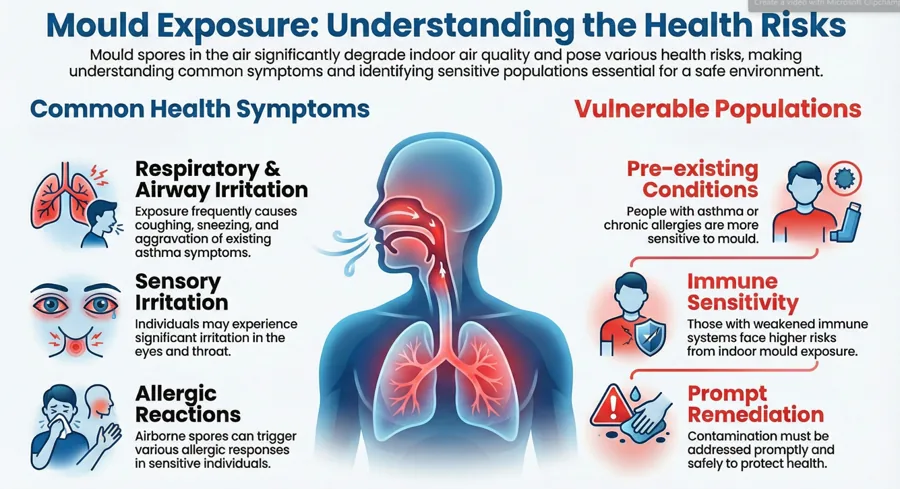
Mould spores released into the air may affect indoor air quality and can cause health concerns for some individuals.
Possible effects of mould exposure may include:
- Respiratory irritation
- Allergic reactions
- Coughing or sneezing
- Eye and throat irritation
- Aggravated asthma symptoms
People with allergies, asthma, or weakened immune systems may be more sensitive to mould exposure.
For this reason, mould contamination inside buildings should be addressed promptly and safely.

Why Mould Should Be Professionally Cleaned
While small visible mould spots may appear easy to clean, mould problems are often more complex than they seem.
Surface cleaning alone may not remove mould completely, because:
- Mould can grow inside walls, carpets, and building materials
- Spores can spread through the air during improper cleaning
- Moisture sources may remain untreated
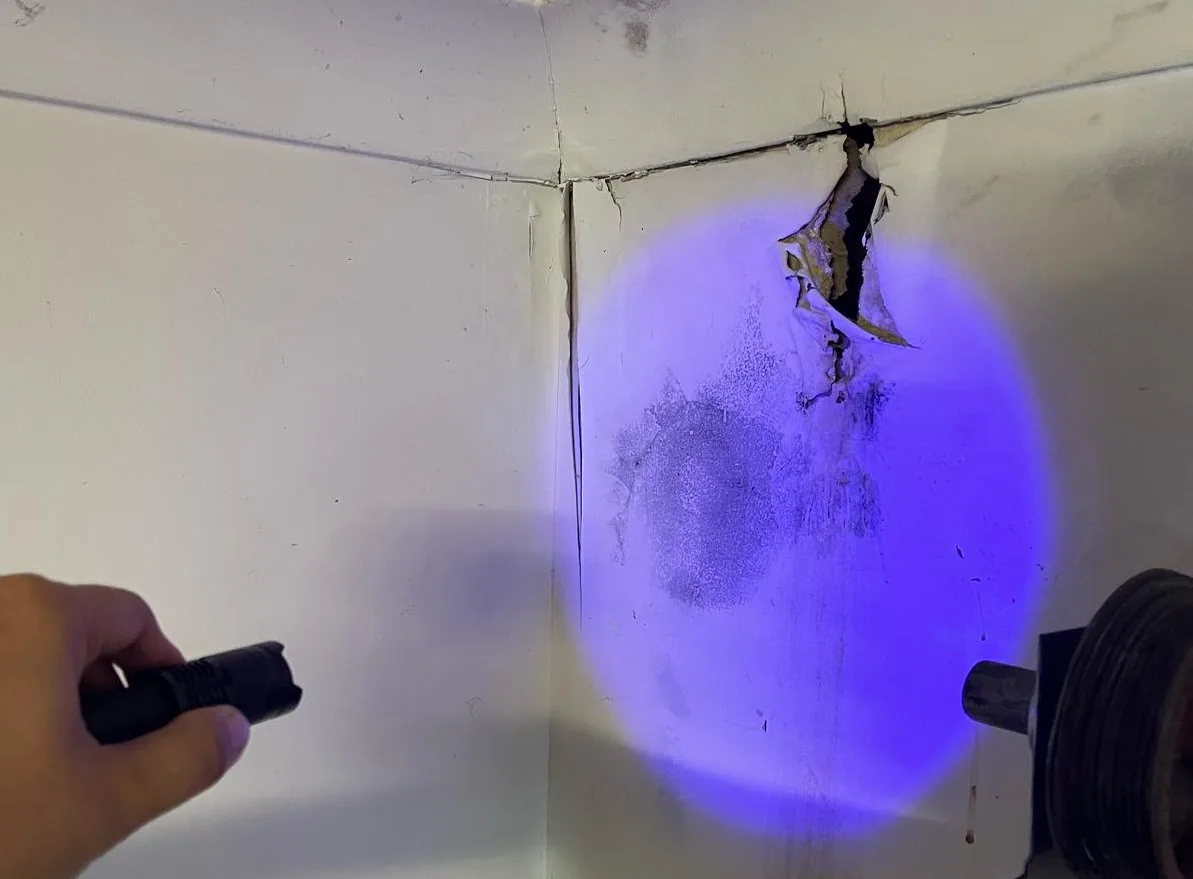
- Contamination may extend beyond visible areas
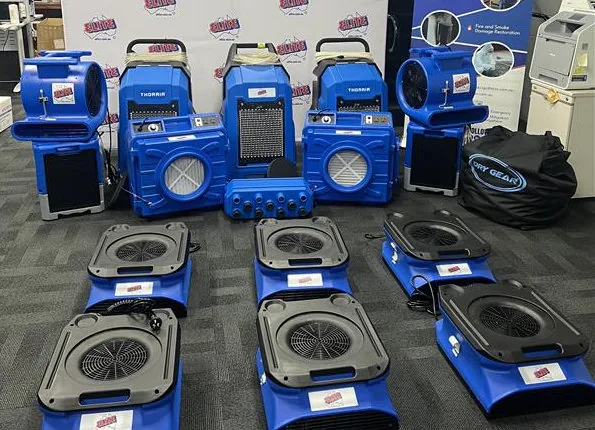
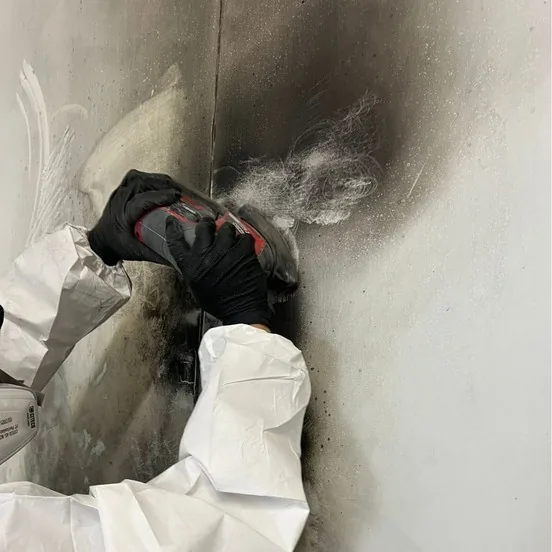
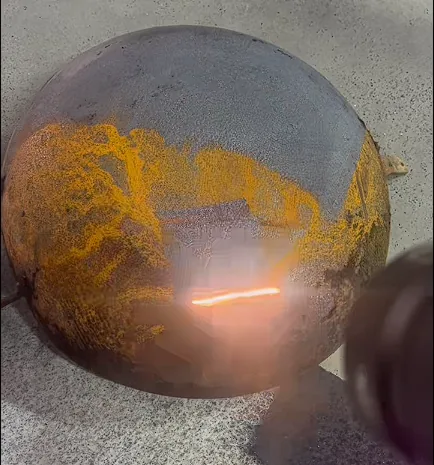
Professional remediation focuses on identifying the cause of the mould, containing the affected area, and safely removing contamination without spreading spores throughout the property.
Professional services such as mould inspection and remediation help ensure the mould is treated correctly, and the moisture source is addressed.
Why IICRC and CM3 Certification Matter in Mould Remediation
Mould remediation requires both technical expertise and strong safety standards. This is why recognised certifications like IICRC and CM3 are important in professional restoration work.
- IICRC Certification ensures technicians follow internationally recognised restoration standards, including proper mould assessment, containment procedures, safe removal techniques, and moisture control to prevent mould from returning
- CM3 Certification focuses on contractor safety and compliance. It verifies that companies have proper Work Health and Safety (WHS) systems, risk management procedures, and documented safety processes.
Together, IICRC and CM3 certifications help ensure mould remediation is carried out safely, professionally, and according to recognised industry standards.
Understanding and Addressing Mould Early
Mould can begin as a small issue but quickly develop into a larger problem if moisture conditions remain untreated.
Understanding how mould forms and why professional remediation is important helps property owners take the right steps to protect both buildings and indoor environments.
If mould is present in your property, professional remediation can help ensure the contamination is safely removed and the underlying cause is addressed.
To request professional assistance, click here.
Or speak with our team:
CALL 1300 899 276