Intro
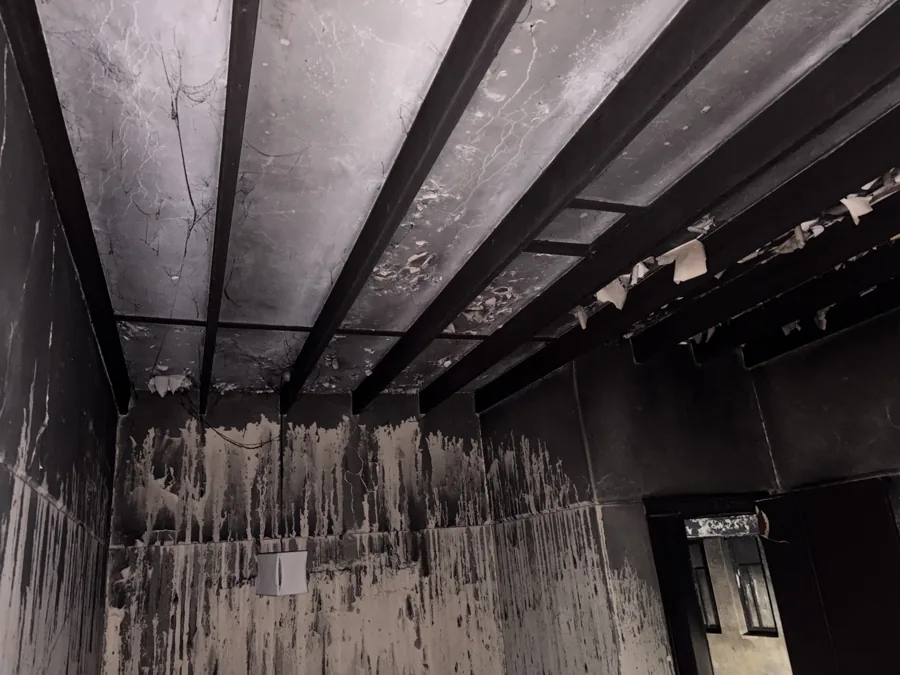
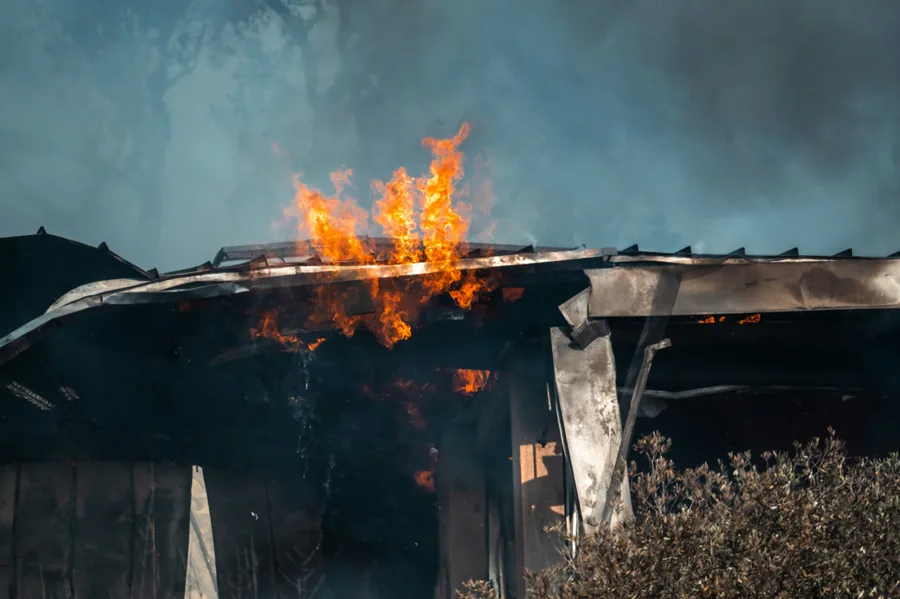
A fire in a home or building is a devastating experience for any property owner. Beyond visible destruction, smoke, soot, chemicals, and extinguishing water can cause significant hidden damage. Therefore, prompt professional fire damage restoration is essential to minimize long-term losses and recover as many assets as possible.
This process involves stabilizing the property, removing contaminants, and restoring salvageable materials. Many items that seem ruined can often be recovered with the right techniques.
For over 40 years, Elite Maintenance Services Group has been helping with property recovery and restoration across Australia, offering structured processes to protect assets and reduce disruption.
Common Causes of Residential and Commercial Fires
Understanding how fires start helps property owners reduce risk and respond faster when incidents occur. Many fires originate from everyday activities or equipment failures.
The most common causes of structural fires include:
Electrical Faults
Faulty wiring, overloaded circuits, damaged appliances, and ageing electrical systems are leading causes of building fires. Electrical fires often start inside walls or ceilings, making them difficult to detect until significant damage has occurred.
Cooking Accidents
Unattended cooking equipment is one of the most frequent causes of house fires. Grease fires in kitchens can spread quickly to cabinetry, walls, and ceilings, resulting in severe smoke contamination.
Heating Equipment
Portable heaters, fireplaces, and heating systems can ignite nearby materials such as curtains, furniture, or paper products if used improperly.
Candles and Open Flames
Candles placed too close to flammable materials or left unattended can quickly start fires, especially in residential environments.
Smoking Materials
Improperly discarded cigarettes or smoking indoors can ignite furniture, carpets, or bedding.
Chemical or Hazardous Materials
Some environments contain chemicals or combustible materials that can accelerate fire spread or produce dangerous residues. Understanding these risks is critical during restoration, as explained in this guide on chemical safety in fire and smoke restoration.
What Happens During Fire and Smoke Damage Restoration?
Professional fire restoration is a structured process designed to stabilise the building and prevent further damage.
Typical restoration steps include:
- Damage assessment and safety evaluation
- Structural stabilisation and hazard identification
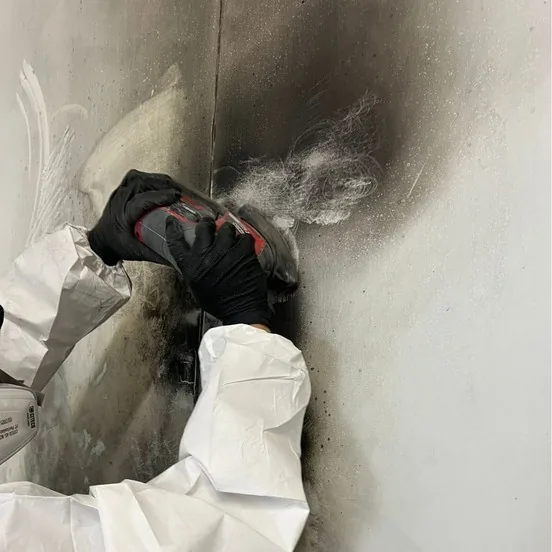
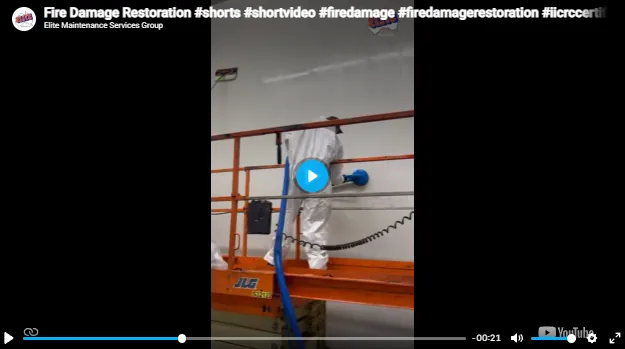
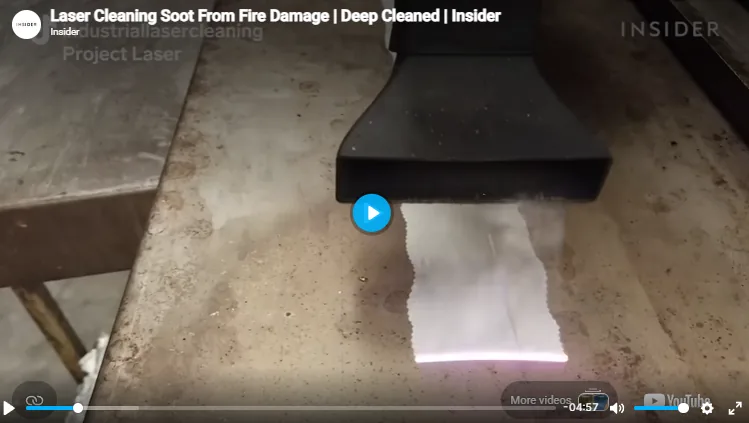
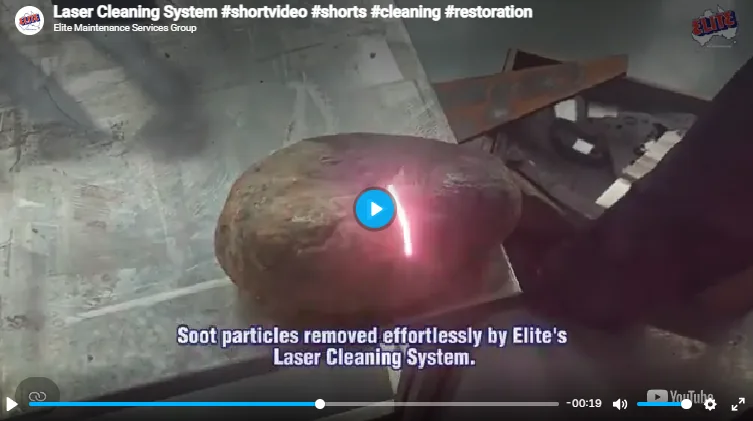
- Soot and smoke residue removal
- Smoke odour neutralisation
- Content cleaning and restoration
- Structural cleaning and repairs
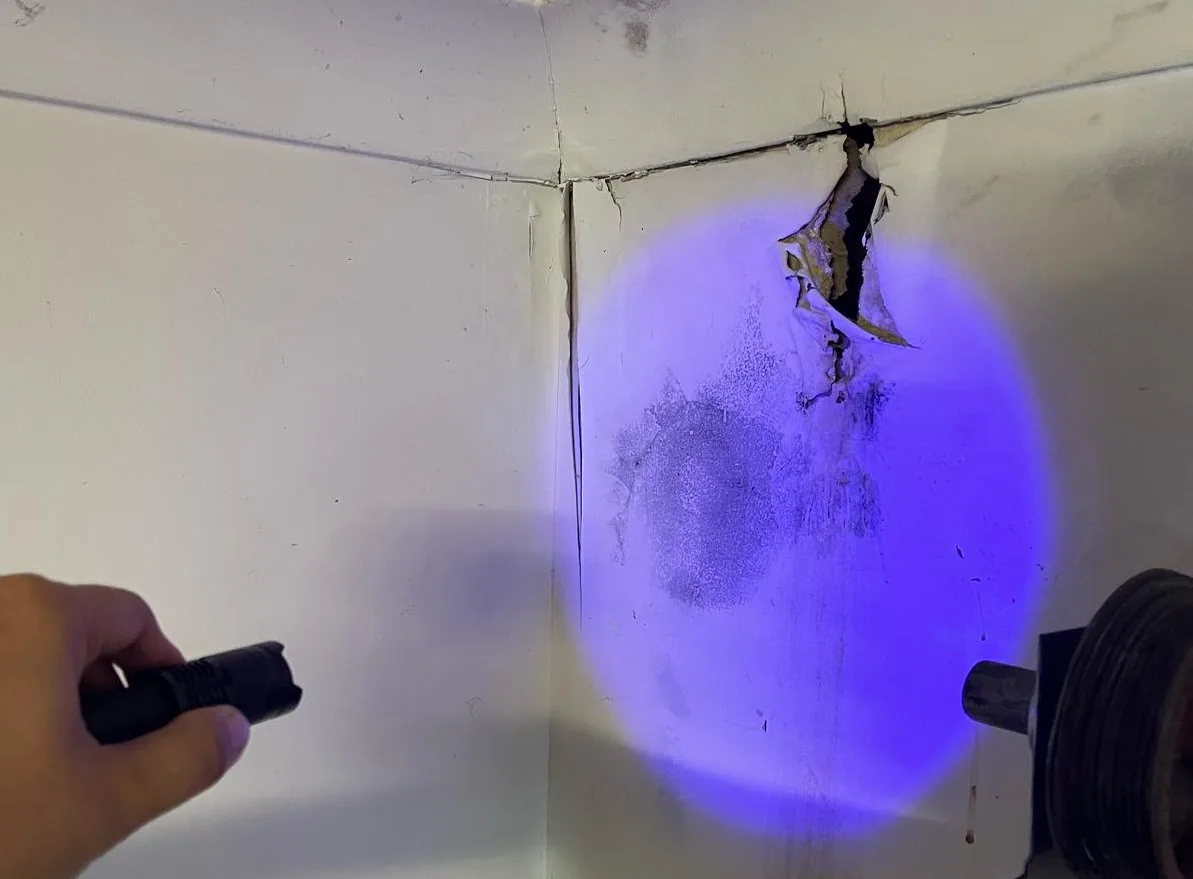
A detailed inspection is essential because smoke damage often travels far beyond the fire source through ventilation systems, wall cavities, and insulation.
For properties affected by fire events, specialised teams like those delivering fire and smoke damage restoration use industry-approved methods to restore both structures and contents.
What Is Actually Salvageable After a Fire?
One of the most common misconceptions after a fire is that everything exposed to smoke or soot must be discarded. In reality, many materials and belongings can be restored with the right smoke damage restoration techniques.
Here are common items that can often be salvaged.
Furniture and Upholstery
Furniture contaminated by soot and smoke may still be restorable. Professional cleaning methods remove smoke particles embedded in fabrics, leather, and timber.
Clothing and Textiles
Clothing, curtains, rugs, and other fabrics often absorb smoke odours. Specialist cleaning processes can remove soot residue and restore fibres without permanent damage.
Hard Surfaces
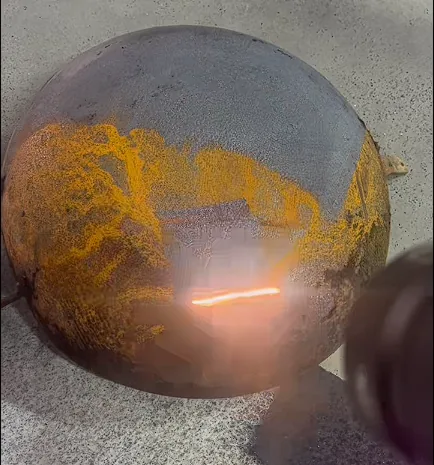
Items such as metal, glass, stone, and sealed timber surfaces can usually be cleaned and restored through professional decontamination techniques.
Electronics
Electronics exposed to soot may still be salvageable if handled correctly and cleaned before corrosion begins.
However, restoration decisions should always be made by professionals. A detailed evaluation prevents valuable items from being unnecessarily discarded — something explored further in content restoration: don’t make assumptions.
When Items Cannot Be Restored
While many materials can be recovered, some items may be beyond restoration due to safety or contamination risks.
Items that are often unsalvageable include:
- Severely burned structural materials
- Melted plastics
- Food exposed to smoke or chemicals
- Porous materials heavily contaminated with soot
- Water-damaged materials combined with smoke contamination
Each fire situation is unique, which is why professional inspection is essential before deciding what should be removed.
The Hidden Damage Caused by Smoke
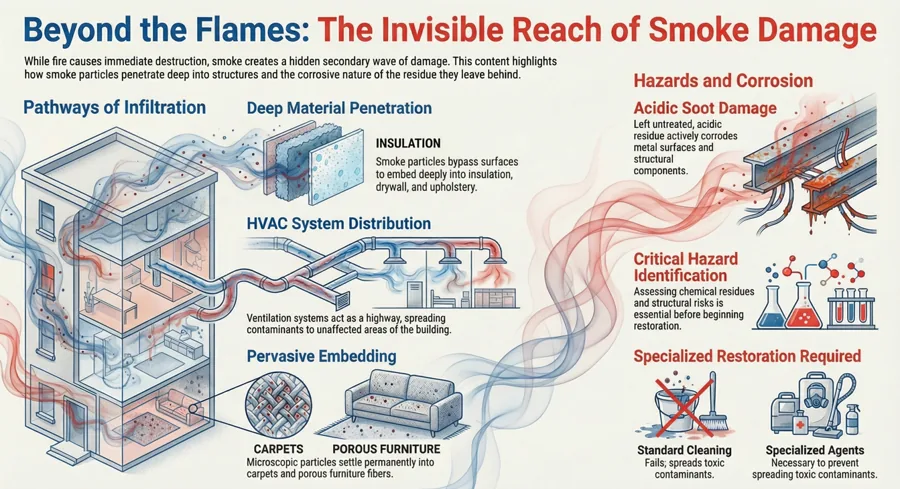
Smoke damage often causes more widespread contamination than the flames themselves.
Smoke particles can:
- Penetrate insulation and drywall
- Spread through HVAC systems
- Embed in carpets and upholstery
- Leave acidic soot residue that corrodes surfaces
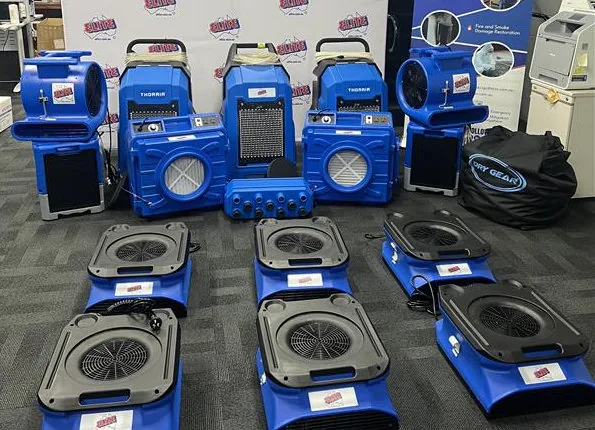
Proper smoke restoration requires specialised cleaning agents, equipment, and safety procedures to remove contaminants without spreading them further.
Hazard identification is also critical, particularly when dealing with structural risks or chemical residues after a fire. Understanding these dangers is discussed in fire safe hazardous identifications.
Why Fast Fire Damage Restoration Matters
Time plays a major role in successful fire damage restoration. The longer soot and smoke residues remain on surfaces, the greater the risk of permanent staining, corrosion, and odour penetration.
Fast restoration helps:
- Prevent permanent damage to surfaces
- Reduce restoration costs
- Salvage more contents
- Restore indoor air quality
- Stabilise the structure sooner
Professional restoration teams also follow internationally recognised restoration standards such as IICRC guidelines, ensuring that restoration processes are safe, documented, and effective.
Professional Fire and Smoke Restoration Services
Elite Restoration provides structured restoration services designed to stabilise buildings, recover assets, and support property owners during the recovery process.
If your property has experienced fire or smoke damage, you can request a restoration assessment here or call 1300 899 276 to arrange immediate assistance.