

Mould Prevention After Carpet Flooding
The key to preventing mould is swift action. After carpet flooding, remove excess water immediately using wet-dry vacuums, towels or professional services. Delay creates an environment for mould to grow.
When carpets, underlay or sub-floors stay wet, moisture can hide in fibres, padding and even beneath flooring. That trapped moisture becomes the perfect breeding ground for mould, stubborn odours and tissue damage.
Why Time Matters
Carpet flooding may seem like minor damage, but the real issue is hidden moisture. Technicians use moisture meters and advanced drying equipment to remove moisture from every layer—carpet, underlay and sub-floor—to prevent mould growth.
Steps to Prevent Mould After Carpet Flooding
1. Remove the Water Quickly
Start with extraction using wet vacuums. Remove soaked carpet and padding if moisture has penetrated deeply.
2. Dry Thoroughly and Monitor Moisture
Use dehumidifiers, air movers and monitoring to ensure moisture levels are safe before reinstalling or replacing flooring.
3. Clean and Sanitize
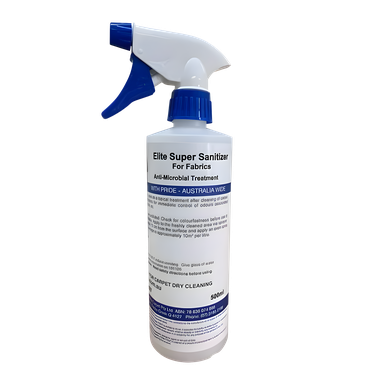
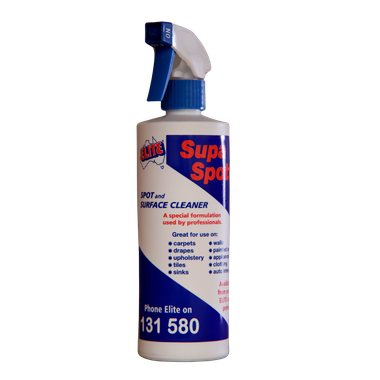
Once dry, clean surfaces, anti-microbial treat the area and neutralise odours that could indicate mould or bacterial growth.
4. Inspect and Replace When Necessary
Some carpet systems or padding may be too damaged or contaminated for restoration. Technicians assess if full replacement is required.
By acting quickly, using the right tools and monitoring progress, you significantly lower the risk of mould after carpet flooding. For professional assistance and fast recovery, contact Elite Restoration.