

Effective Mould Remediation Guide
Mould can grow quickly and quietly, damaging property and creating health risks for your family or workplace. Whether caused by leaks, humidity, or hidden moisture, mould should always be treated properly — not just cleaned on the surface.
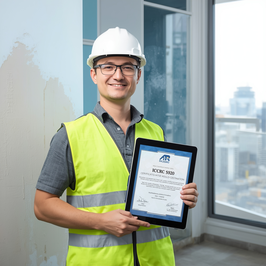
At Elite Restoration, we follow the ANSI/IICRC S520 Standard for Professional Mold Remediation, the industry’s global benchmark for safe and effective mould removal. Here’s a simple, practical guide to understanding mould and the steps involved in professional remediation.
1. Identifying Mould
Different types of mould can appear indoors, and some are more harmful than others. While common household moulds like Cladosporium or Penicillium may cause allergies, others can pose more serious risks.
Understanding the type of mould helps determine the severity of the infestation and the safest way to remove it.
2. Inspection & Assessment
A proper mould inspection looks deeper than what you can see. Elite Restoration technicians use professional tools such as:
- Moisture meters
- Thermo-hygrometers
- Thermal imaging cameras (where needed)
These tools help locate hidden moisture, assess the true extent of mould growth, and determine the cause of the problem.
3. Creating a Remediation Plan
Based on the inspection findings, a customised remediation plan is developed. A proper plan includes:
- Containment to prevent mould spreading
- Removal of affected materials when necessary
- Correction of moisture sources
- Cleaning and HEPA filtration
Following the IICRC S520 workflow ensures the job is structured, safe, and fully compliant.
4. Safety Precautions
Safety comes first — for both occupants and remediation technicians. Basic safety measures include:
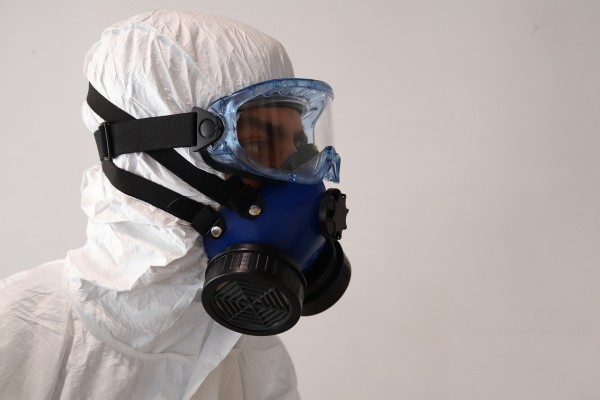
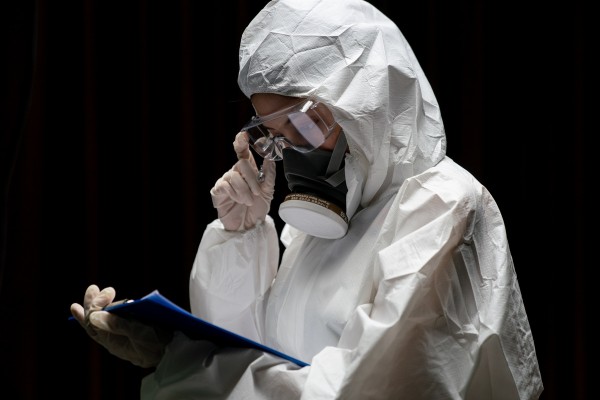
- Wearing PPE (gloves, goggles, N95 mask or respirator)
- Setting up proper ventilation
- Isolating the affected area with containment barriers
This prevents mould spores from spreading to other rooms and reduces inhalation risks.
5. Mould Removal Techniques
Professional mould remediation uses several proven techniques, including:
Scrubbing
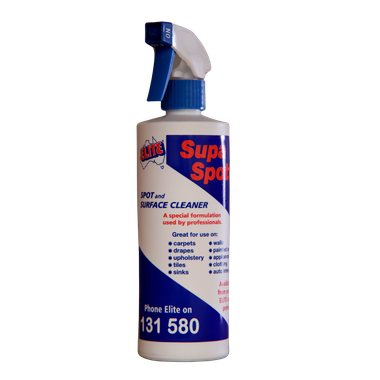
For hard surfaces, technicians use detergent and water. Porous materials (like plasterboard or insulation) may need to be removed if contaminated.
HEPA Vacuuming
High-Efficiency Particulate Air (HEPA) vacuums capture tiny mould spores that regular vacuums can’t.
Antimicrobial Treatments
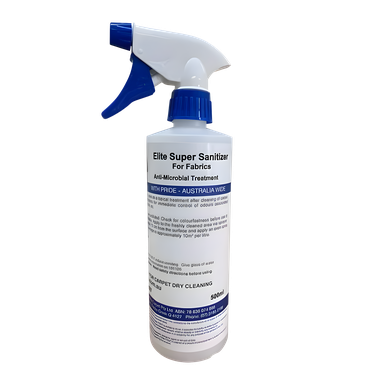
Approved biocides or antimicrobial solutions are used carefully and only in accordance with IICRC guidelines. These help suppress remaining spores after physical removal.
6. Prevention Strategies
Stopping mould from returning is just as important as removing it. Prevention tips include:
- Improving ventilation
- Controlling indoor humidity
- Fixing leaks promptly
- Insulating cold surfaces to reduce condensation
IICRC-Approved Tools, Equipment & Coatings
Professional mould remediation relies on accurate monitoring tools such as:
- Moisture meters
- Moisture sensors
- Thermo-hygrometers
In some cases, mould-resistant coatings may be applied after cleaning — but only to dry, properly cleaned surfaces, and never as a substitute for physical removal.
Temperature extremes (heat or cold) should never be used in place of proper cleaning and removal.
Conclusion: A Safe, Systematic Approach Works Best
Effective mould remediation requires more than a quick wipe — it needs a structured, standards-based approach. By following the IICRC S520 standard and addressing the underlying moisture, you can ensure a safe, lasting solution.
For expert mould remediation, contact Elite Restoration today:
📞 1300 899 276
🌐 eliterestoration.au
Fast. Transparent. Certified.