Intro
Water damage restoration NSW Inland Regional?
Got soggy floors and a smell that could scare a croc?
Stick with us, and we will make the mess less scary than a magpie in spring.
Here is the no-fuss guide that keeps your home safe and dry.
Elite Maintenance Services Group is a national Australian provider (est. 1984), positioned as a premium, compliance-first partner with certified teams, CM3 and IICRC-aligned delivery, documented reporting and minimal disruption service models.
What Not to Do When Water Hits
Let us start with the big no list.
Think of this like a stop sign the size of the Big Merino.
- Do not flick switches near water.
- Do not use a home vacuum to suck up water.
- Do not rip up carpet without a plan.
- Do not blast heaters like it is the Simpson Desert.
- Do not ignore wet walls or skirting.
- Do not wait for mould to throw a house party.
First Hour Moves That Matter
Quick action is your best mate.
Short and sharp is the play.
- Turn off the power at the main if it is safe.
- Find the source, like a burst pipe or a roof leak.
- Shut the tap or call the water supplier fast.
- Take photos for insurance from every angle.
- Lift light items off the floor, like rugs and cushions.
- Open windows if the weather allows.
- Call a pro team for water extraction and drying.
How Professional Water Damage Restoration Works
Here is the game plan we use across inland and regional NSW.
Simple steps with serious gear.
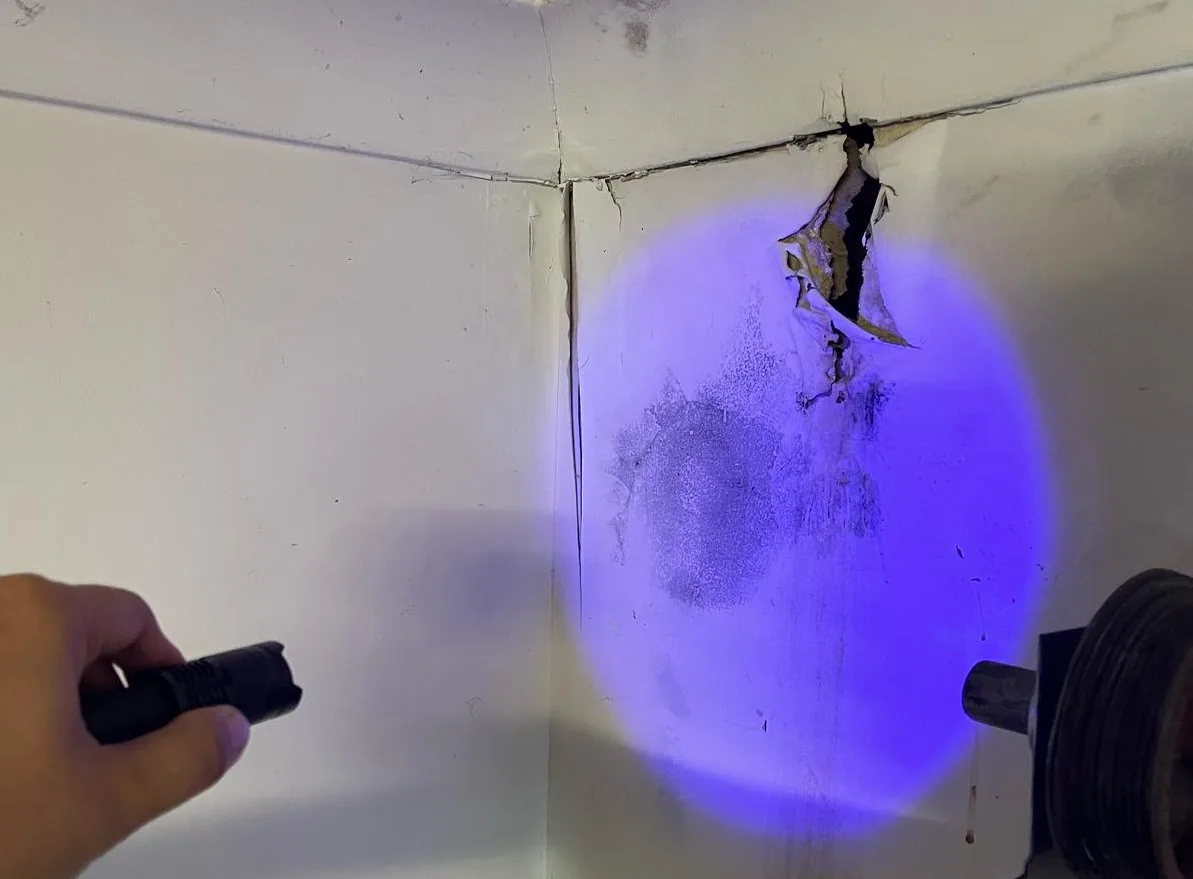
- Site safety check and moisture map.
- Water extraction from carpet and underlay.
- Targeted structural drying for walls and floors.
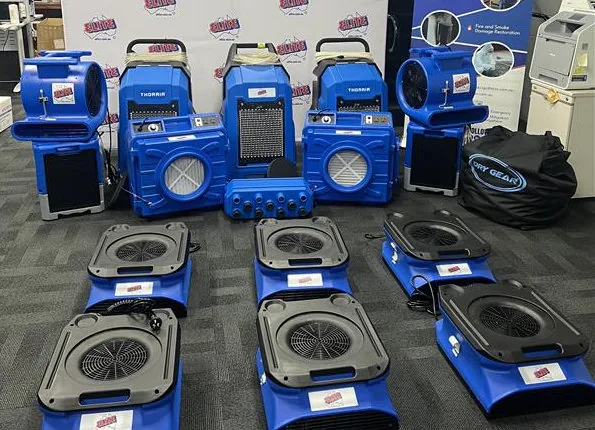
- Air movers to push airflow like a norwester.
- Dehumidifiers to pull water out of the air.
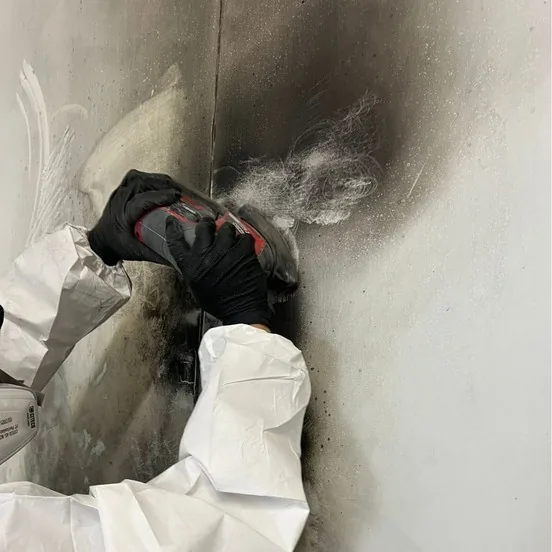
- Antimicrobial treatment to keep mould away.
- Cleaning and sanitising of affected areas.
- Daily checks with moisture meters and thermal imaging.
- Clear reports for your insurer.
Case Study: Stormwater Flood Damage and Drying
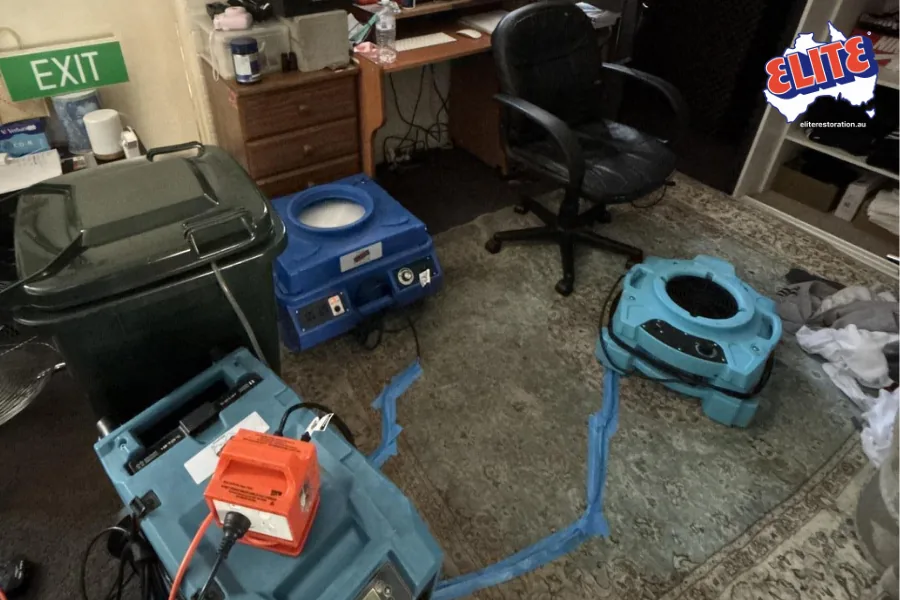
On 9 February 2026, Elite Restoration attended a residential property following a storm event on 7 February 2026, where heavy rainfall caused stormwater to enter the basement and soak carpeted areas.
Water was observed flowing under door thresholds, affecting the basement bedroom and rumpus/storage room.
The loss was classified as Category 3, Class 3 under the ANSI/IICRC S500 standard due to gross contamination and extensive water absorption.
The intrusion impacted carpet, underlay, and lower sections of concrete block walls, with moisture migrating into structural materials.
Technicians conducted moisture testing, thermal imaging, and performed water extraction, followed by the installation of drying equipment to prevent further damage.
Multiple follow-up visits were carried out to monitor progress, reposition equipment, and ensure optimal drying conditions.
Final inspections confirmed that all affected materials had returned to acceptable moisture levels in line with IICRC standards.
Drying equipment was removed, and antimicrobial treatment was applied to all exposed surfaces as a preventative measure.
The property was cleaned and left in a safe and tidy condition, completing the mitigation process.
Standards That Keep You Covered
We follow IICRC standards and CM3-aligned processes, so the process is safer than a high viz vest at a footy final.
Our certified teams provide documented reporting for insurers and stakeholders.
Common Causes Across NSW Inland and Regional
Water sneaks in like a mosquito at dusk.
Here are the usual suspects.
- Burst pipe after a cold snap.
- Storm water through the roof or eaves.
- Hot water system leak.
- Washing machine hose popped.
- Sewer overflow that needs careful cleanup.
- Flood damage from local rain events.
What We Dry and Restore
If it is wet, we check it.
If it can be saved, we dry it.
- Wet carpet and underlay.
- Timber floors and subfloors.
- Gyprock walls and ceilings.
- Insulation and wall cavities.
- Cabinet kickboards and toe areas.
- Rugs and soft furnishings.
Regions We Cover in NSW Inland and Regional
- From the Blue Mountains and Lithgow to the Far West, we are on the road.
- From the Central Tablelands Bathurst District to Orange and the Central West, we are ready.
- From Orana and Macquarie around the Dubbo hub to the Riverina Wagga Wagga hub, we can help.
- From New England Tablelands to North West Slopes and Plains around Tamworth, we roll out the gear.
- From Murray and Border Cities to Broken Hill and Barrier, we bring structural drying that works.
Tips to Speed up Drying While You Wait
Little moves do big work.
Keep it safe and simple.
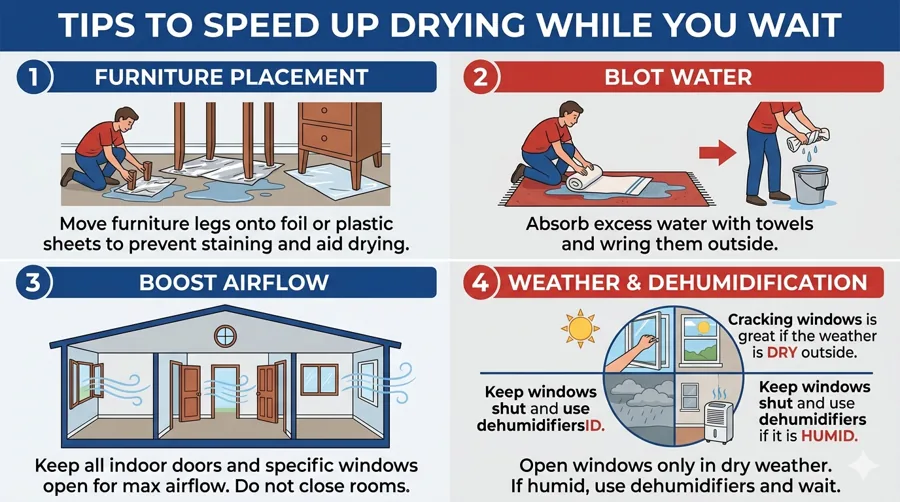
- Move furniture legs onto foil or plastic.
- Blot water with towels and wring them outside.
- Keep indoor doors open for airflow.
- Do not close rooms that need to dry.
- If the weather is dry, crack the windows.
- If it is humid, keep them shut and wait for the dehumidifiers.
Mould Watch and Health Checks
Mould loves moisture like seagulls love hot chips.
Stop it before it blooms.
- Act fast within the first one to two days.
- Use proper drying, not just fans.
- Keep humidity low with dehumidifiers.
- Clean non-porous surfaces with the right solution.
- Get pro help if you see growth or smell a musty odour.
Insurance and Claims Made Simple
Photos are gold.
Logs are gold, too.
- Document dates, times and rooms.
- Keep wet item lists with rough values.
- Do not throw items until your insurer gives the nod.
- Share moisture readings and reports from the tech team.
Gear We Bring to the Party
Think of this as a pit crew for your home.
Fast, focused and very loud.
- High flow water extractors.
- Low-profile air movers.
- Refrigerant and desiccant dehumidifiers.
- Moisture meters and hygrometers.
- Thermal imaging to find hidden pockets.
- HEPA air scrubbers for clean, breathable air.
Signs You Need Pro Help Now
If you tick one of these, call fast.
- Water has been standing for a day.
- You see mould or smell that earthy odour.
- Water came from a sewer or an unknown source.
- Walls feel soft, or floors start cupping.
- There is water under the house or in the ceiling.
FAQs
How long does drying take
Most homes dry in three to five days with the right setup.
Big losses or cold weather can take longer.
We check daily and adjust the plan like a coach at halftime.
Can a wet carpet be saved
Often, yes, if the source is clean water and we start fast.
If the water is from the sewer, it is a different plan, and safety comes first.
Will it smell
At first, yes, a little like a storm blew through your lounge.
With air movement and dehumidifiers, the odour fades.
Treatment and cleaning remove the rest.
Do I leave the gear on all the time
Yes please.
It is loud like a jet at taxi speed, but it gets the job done.
Turning it off slows the drying and invites mould.
What about my insurance
Most policies cover sudden water events like a burst pipe.
Keep your photos and reports, and call your insurer early.
We can supply readings and updates for your assessor.
Ready to Sort the Mess
Book a quote, and we will get you moving faster than a snag rolls off a hot plate.
Want to chat right now.
We keep it simple, and we keep it safe.
Water damage restoration NSW Inland Regional.