Intro
Water damage restoration in the Illawarra Coastal?
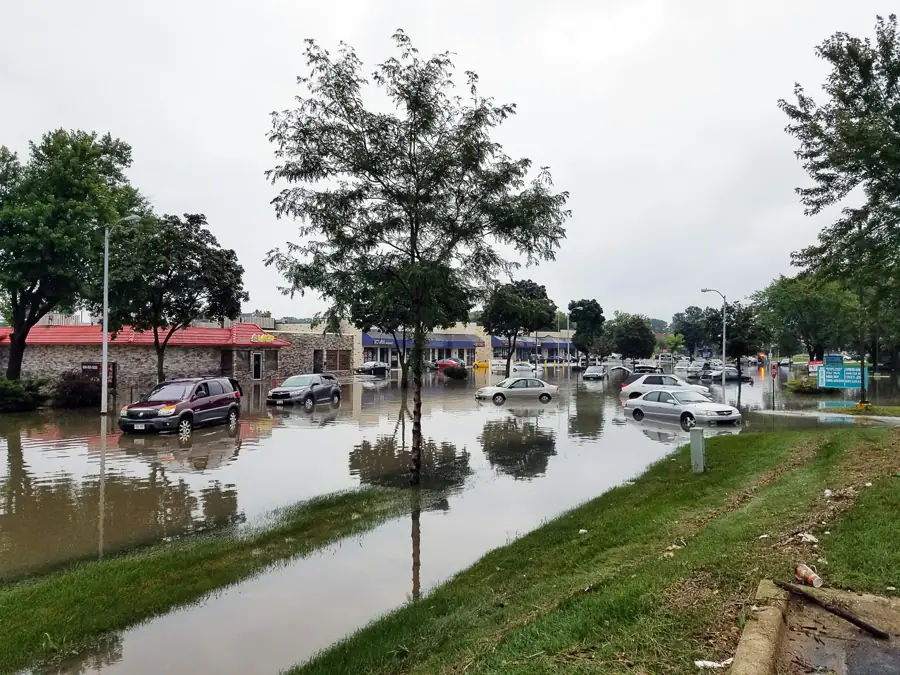
Big storm turned your property into a kiddie pool?
Take a breath and grab a cuppa.
Elite Restoration is a national, compliance-first provider, established in 1984, delivering IICRC-aligned restoration through certified teams and documented reporting.
This guide shows what to do before your socks float away.
Why Water Damage Hits Hard on the Illawarra Coast
Salt air is cheeky and loves corrosion.
Storms roll in like footy forwards on game day.
King tides and roof leaks team up like a bad buddy cop movie.
One burst pipe, and the carpet is wetter than a Bunnings snag in the rain.
Signs You Need Fast Help
- Your carpet squelches like soggy Weet-Bix.
- Walls bubble like a dodgy soda stream.
- Skirting boards swell like a sponge in a bath.
- A musty pong that hits you like a wet fish.
- The lights flicker like it is a discount disco.
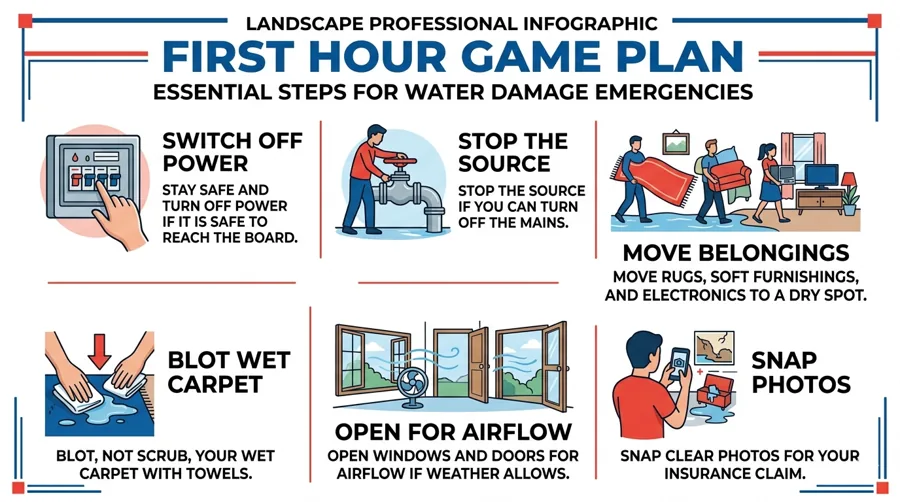
First Hour Game Plan
- Stay safe and switch off the power if it is safe to reach the board.
- Stop the source if you can turn off the mains.
- Move rugs, soft furnishings, and electronics to a dry spot.
- Blot, not scrub, your wet carpet with towels.
- Open windows and doors for airflow if the weather allows.
- Snap clear photos for your insurance claim.
Our Water Damage Restoration Illawarra Coastal Process
Simple steps.
No guesswork.
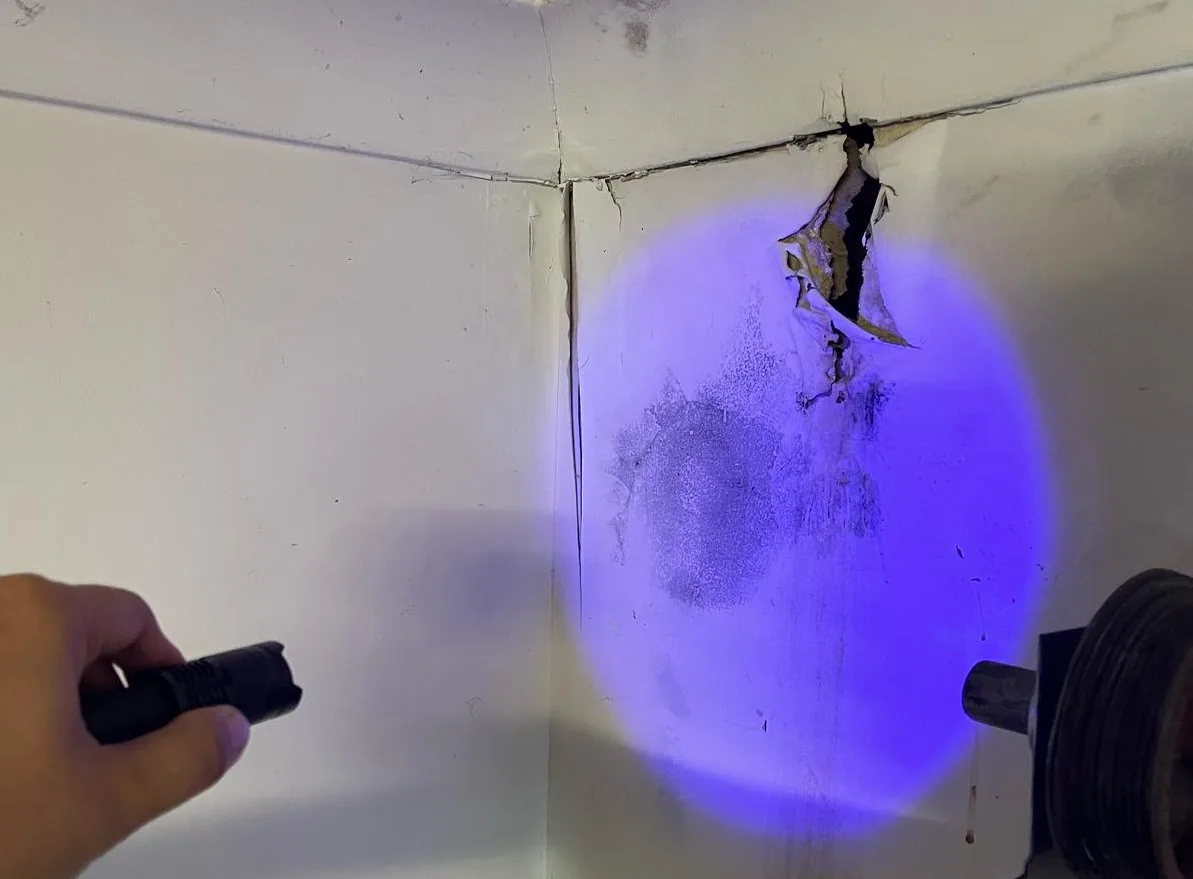
- Rapid assessment with moisture meters and thermal imaging.
- Water extraction to pull out litres fast.
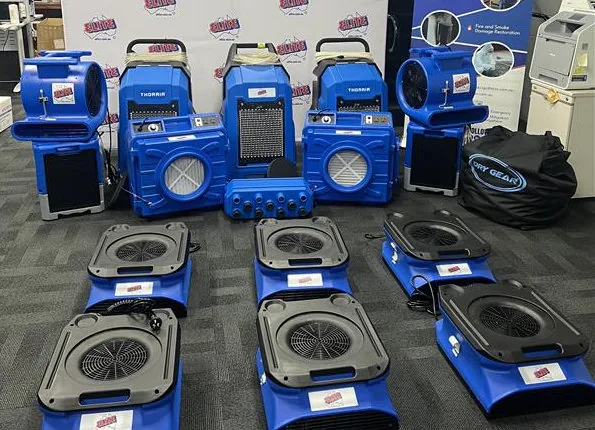
- Structural drying with air movers and dehumidifiers.
- Moisture mapping so no wet patches hide under the carpet or subfloor.
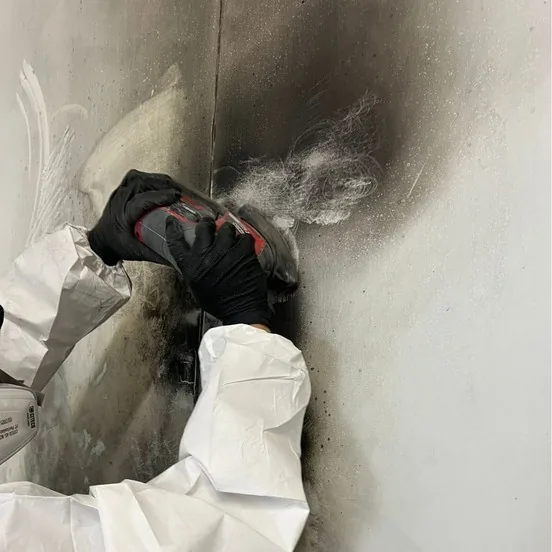
- Targeted cleaning and antimicrobial treatment where needed.
- Certified teams with CM3 and documented reporting.
- Daily checks until readings are normal and stable.
- Clear reports for insurers with photos and measurements.
Standards, Tools, and the Boring Bits That Save Homes
We follow IICRC S500 guidance and use CM3 and compliance-first processes to ensure the job is done right the first time.
Meters find water like a sniffer dog with a nose for leaks.
Air movers push moisture out like a nor’ easter on a hot arvo.
Dehumidifiers trap water like a magpie swooping a chip.
Local Tips for Wollongong, Shellharbour, and Kiama
Check gutters and downpipes before storm season.
Salt spray loves tiny roof cracks like seagulls love chips.
Seal bathrooms, laundries, and balconies like a pro tradie.
Lift wet mats fast, as they stain quicker than beetroot at a barbecue.
Ventilate rooms after showers and cooking to keep humidity down.
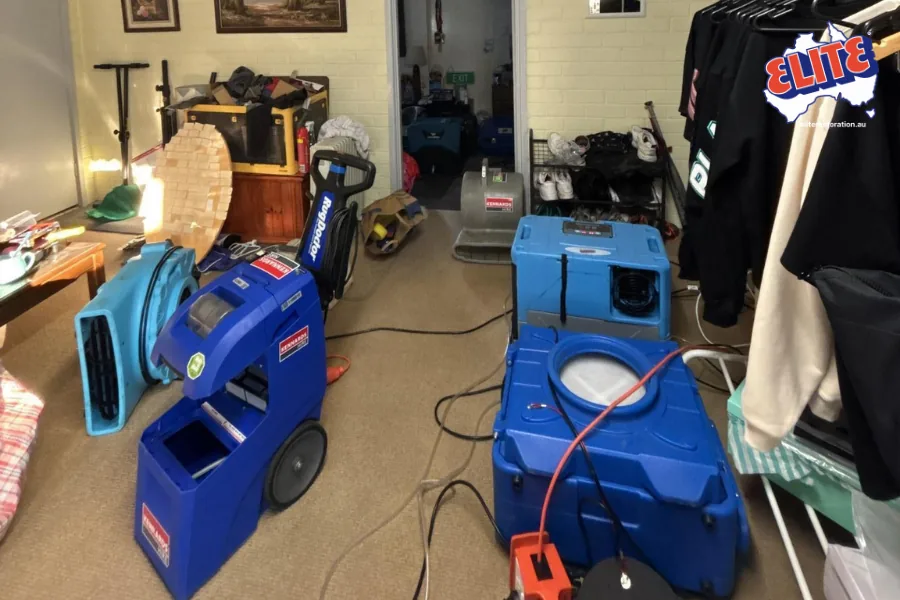
Case Study: Stormwater Flood Damage and Drying
On 9 February 2026, Elite Restoration attended a residential property following a storm event on 7 February 2026, where heavy rainfall caused stormwater to enter the basement and soak carpeted areas.
Water was observed flowing under door thresholds, affecting the basement bedroom and rumpus/storage room.
The loss was classified as Category 3, Class 3 under the ANSI/IICRC S500 standard due to gross contamination and extensive water absorption.
The intrusion impacted carpet, underlay, and lower sections of concrete block walls, with moisture migrating into structural materials.
Technicians conducted moisture testing, thermal imaging, and performed water extraction, followed by the installation of drying equipment to prevent further damage.
Multiple follow-up visits were carried out to monitor progress, reposition equipment, and ensure optimal drying conditions.
Final inspections confirmed that all affected materials had returned to acceptable moisture levels in line with IICRC standards.
Drying equipment was removed, and antimicrobial treatment was applied to all exposed surfaces as a preventative measure.
The property was cleaned and left in a safe and tidy condition, completing the mitigation process.
What to Avoid
-
Do not blast heaters against walls or floors, as this can warp and crack them.
-
Do not run fans without a plan, as you can just push damp air around.
-
Do not rip up carpet without advice, as you may void parts of a claim.
-
Do not wait for a sunny day, as hidden moisture grows trouble fast.
How Long Does Drying Take
- Every job is different.
- Light spills can dry in two to three days.
- Big floods can take a week or more.
- We track readings so you know where things stand each day.
Insurance-Friendly Reporting
Clear photos.
Moisture logs.
Room-by-room notes.
That way, claims move along smoother than a fresh jar of peanut butter.
FAQs
Will a wet carpet dry on its own
Not well and not fast.
Water sinks into the underlay and subfloor.
That is where mould loves to party.
Extraction and controlled drying give you a proper finish.
Can I keep living in the home during drying
Often, yes, if power and safety are fine.
The gear can be noisy like a plane warming up.
We can zone rooms so life goes on with fewer hassles.
Do I need to replace the carpet
Not always.
Clean water and quick action can save it.
Sewage or long delays can mean replacement for health and safety.
What about mould
Fast drying is mould’s worst enemy.
If growth starts, we use safe methods and cleaning agents made for the job.
We also find why it formed, so it does not return.
What areas do you cover
Wollongong, Shellharbour, Kiama, and across the South Coast.
From the escarpment to the sand.
If you can smell salt in the air, we can usually get to you, backed by national coverage.
Your Next Step
Need fast help before the lounge starts growing seaweed?
Book a visit and lock in a rapid response here.
Prefer to chat with a human?
Call now and get straight talk from a local pro.
Let us sort out your water drama with water damage restoration in the Illawarra Coastal.