Intro

Got water damage for ceilings in Canberra and wondering what to do first?
Worried the ceiling might sag like a week-old pavlova?
Stay calm and take a breath like a surfer on a glassy morning.
We will guide you with simple steps and a few laughs to keep the chin up.
Elite Restoration is a national, compliance-first provider with certified teams.
What Causes Water Damage for Ceilings in Canberra
Rain belting the roof like a drum at a footy final can let water in.
Storms push water under cracked tiles and tired flashing.
Leaking pipes can drip all day like a lazy tap on a Sunday arvo.
Air con and vents can sweat more than a tradie at a midday job.
What Not to Do When You Spot a Wet Patch
- Do not poke the bulge like it is a balloon at a kids party.
- Do not paint over stains and call it a day.
- Do not place a bucket and hope for the best like a wish at a fountain.
- Do not stand under a sagging panel like it is modern art.
Quick Safety Checks Before Anything Else
- Safety first, then snacks after.
- Turn off power to the room if you see drips near lights.
- Keep kids and pets away like a seagull from hot chips.
- Lay towels and a tub to catch drips and save the floor.

First Aid for a Sudden Ceiling Leak
- Find the source if you can do it safely.
- If the roof is open, toss a tarp from the ladder with care, or call a roofer.
- Shut off mains water if a pipe is the suspect.
- Vent the room with windows and a fan to start drying.
Restore or Replace the Plasterboard
Plasterboard, also called Gyprock, does not bounce back like a trampoline.
Once it swells, it is done like toast left in too long.
Cut out the wet section and replace with new board for a neat finish.
Patch, skim, sand, and paint, and the ceiling looks fresh as a new footy jersey.
What the Restore Can Include
- Ceiling restore and repaint.
- Wall patch where water tracked down.
- Cornice restore to tidy the edges.
- Skirting, architrave, or door restores if things swelled.
- Floor checks for cupping or stains.
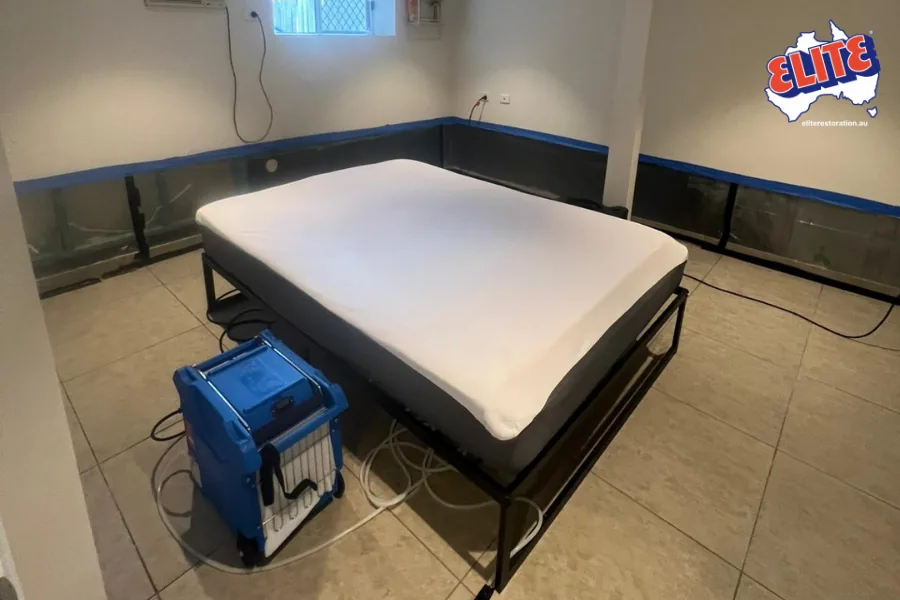
CASE STUDY: Category 3 Flood Damage and Mould Remediation in Basement Areas
A severe flooding event caused water ingress through the crawlspace, impacting both the basement bedroom and laundry areas.
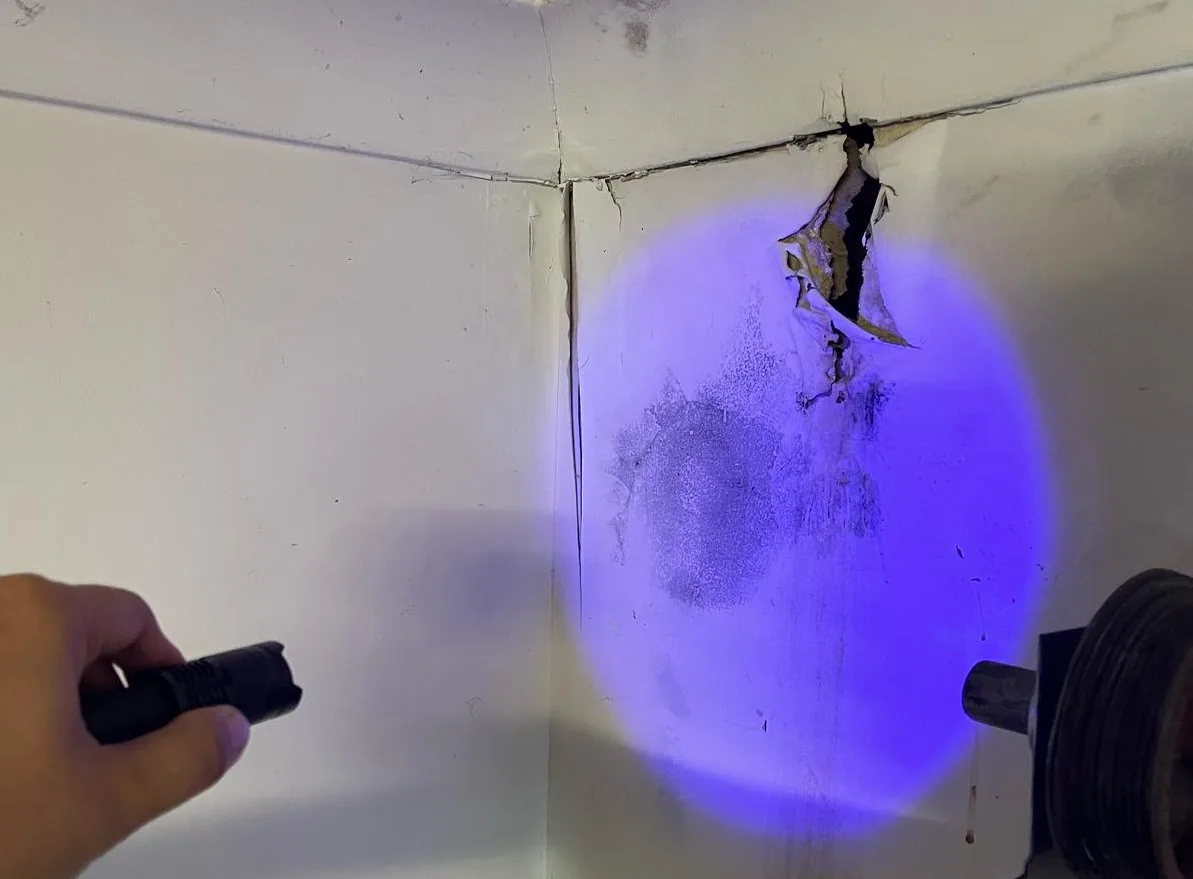
The water was classified as Category 3, indicating high contamination levels and significant health risks, with multiple contents submerged and visible mould growth forming in several areas.
Affected materials included tiles, plasterboard walls, skirting boards, and concrete surfaces, with damage classified as Class 2 due to the extent of moisture absorption.
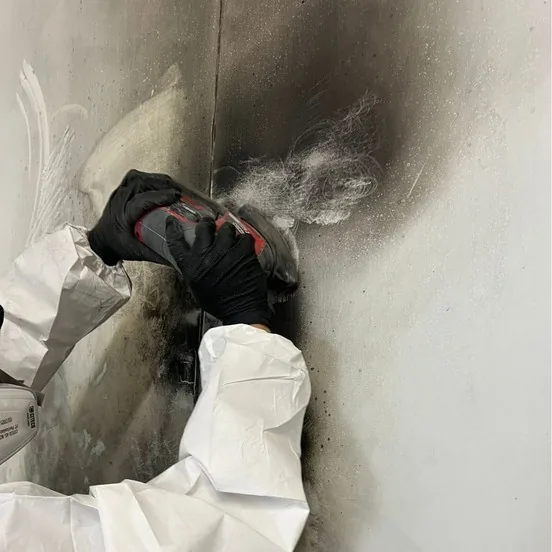
Elite Restoration carried out a comprehensive remediation process, removing affected plasterboard to access and treat underlying mould contamination.
Timber structures were sanded and wire-brushed, followed by detailed cleaning using HEPA vacuuming, damp wiping, and antimicrobial treatments to eliminate spores and prevent regrowth.
Additional affected contents were also cleaned to ensure all contaminated surfaces were properly treated.
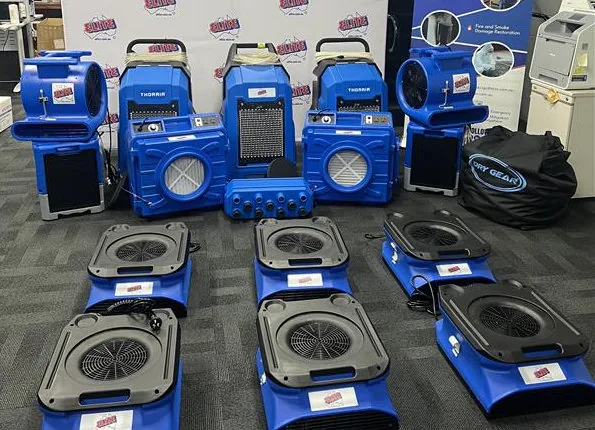
To support the restoration process, Elite Restoration installed drying and air filtration equipment to control moisture levels and improve air quality.
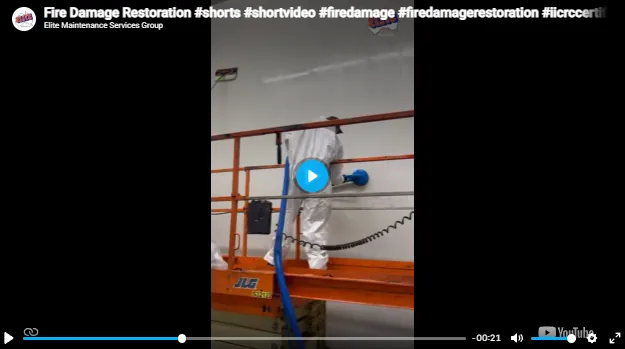
Containment measures were maintained throughout to prevent cross-contamination, while progress was closely monitored to meet industry standards.
Following final inspection and equipment removal, the property was confirmed to be clean, dry, and safe from mould contamination.
Insurance Tips That Save Time
Snap photos like a tourist on holiday, then keep them safe.
Note the time and the weather for the claim.
Call your insurer and report the leak early.
Ask if emergency make-safe work is covered.
How We Handle Ceiling Water Restores
- We inspect the source so it does not come back like a bad sequel.
- We test moisture so no sneaky damp stays behind.
- We replace wet panels and match the texture like for like.
- We finish with paint so your ceiling looks like new.
Our certified teams use IICRC-aligned processes, CM3-aware practices, and documented reporting, operating nationally with minimal disruption.
Standards and Quality You Can Trust
We follow industry best practice that aligns with IICRC guidance and CM3 compliance; you can read more here: IICRC standards.

Common Signs You Need Help Now
- Brown rings that spread like coffee on a tablecloth.
- Bubbles or soft spots that feel like a sponge.
- Cornice cracks that look like tiny rivers.
- Musty smell that hints at hidden mould.
- Lights flicker near the patch, which needs an electrician fast.
Canberra Weather and Your Ceiling
Summer storms can dump water faster than a ute at the tip.
Winter frost can nudge tiles and seals out of place.
Gutters fill with leaves and act like a bathtub with no drain.
Regular checks after wild weather can save your ceiling and your weekend.
Simple Checklist Before the Tradies Arrive
- Turn off power to the wet zone.
- Move furniture out and cover what stays.
- Mark damp spots with tape for the inspection.
- Clear a path for ladders and gear.
- Keep pets outside with a treat and a pat.
How Long Does It All Take
Small patches can be done in a day or two, with drying between coats.
Bigger jobs can run a few days, with paint on the last day.
Dry times change with weather and indoor temperature.
Good work is steady like a slow cooker and worth the wait.
What About Mould
If you see small surface spots, clean with the right cleaner and dry fast.
If you smell musty air or see widespread stains, call the pros.
Moisture meters and safe cleaning keep the home healthy.
Restore the water source, or the mould will try a comeback tour.
FAQs on Water Damage for Ceilings in Canberra
Do I need to replace the whole ceiling
Not always.
If the damage is local, we cut and replace the section, then match the finish.
If the board sags across a large area, a full reset can be faster and neater.
Will paint hide the stain
Nope.
Stains can bleed through like tea on paper.
Use a stain blocker and restore the leak, then paint for a clean result.
Can I leave a small wet patch to dry
That is risky.
Moisture can stay trapped and invite mould.
Check the source, then restore the board if it swelled or softened.
Is this covered by insurance
Often yes, for sudden events like storm damage or burst pipes.
Wear and tear is less likely.
Call your insurer and ask what reports they need.
Who should I call first, a roofer, a plumber, or a plasterer
If water is still coming in, call a roofer or a plumber based on the source.
Once the leak is stopped, call a plasterer for the ceiling restore.
If power was near the leak, call an electrician to check fittings.
How do I prevent this next time
Clean gutters every season.
Check roof tiles and flashing after big winds.
Lag pipes in cold spots.
Look up after rain and restore tiny stains before they grow.
Ready to Sort It
Need a quote fast?
Book here, and we will get things moving: Request a quote.
Want to talk to a real person now?
Tap here, and we will ring you back: Call now.
Water damage for ceilings in Canberra.