Intro
Water damage is one of the most common and destructive problems a property can experience. Whether caused by severe weather, plumbing failures, or appliance leaks, water can quickly spread through building materials and create serious structural and health risks if not addressed properly.
Understanding what causes water damage, the different categories of water contamination, and why professional restoration is necessary can help property owners respond quickly and minimize long-term damage.
Common Causes of Water Damage
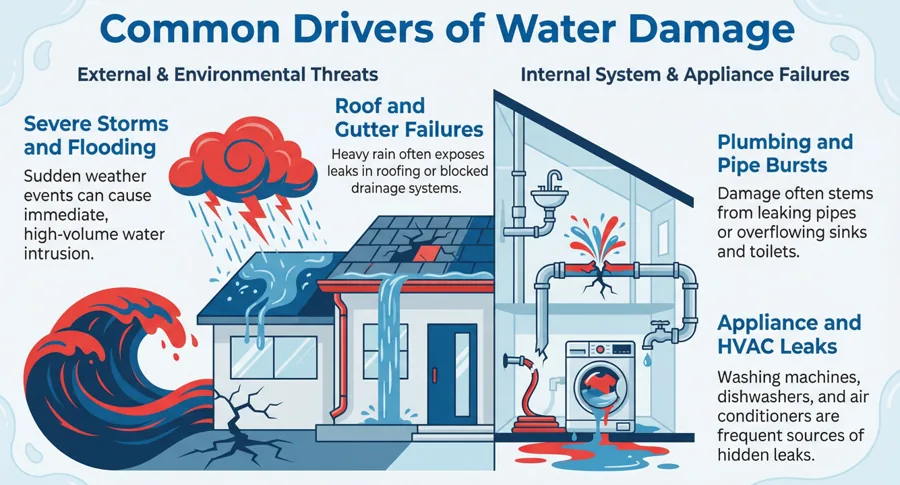
Water damage can happen suddenly or develop over time. Some of the most common causes include:
- Severe storms and flooding
- Burst or leaking pipes
- Roof leaks during heavy rain
- Blocked gutters or drainage systems
- Leaking appliances such as washing machines or dishwashers
- Overflowing sinks, bathtubs, or toilets
- Air conditioner or HVAC leaks
Even a small leak can lead to major damage if water spreads into floors, walls, insulation, or ceilings.
Categories of Water Damage
Water damage is classified into three categories based on contamination level. Understanding these categories helps determine the proper restoration process.
Category 1: Clean Water
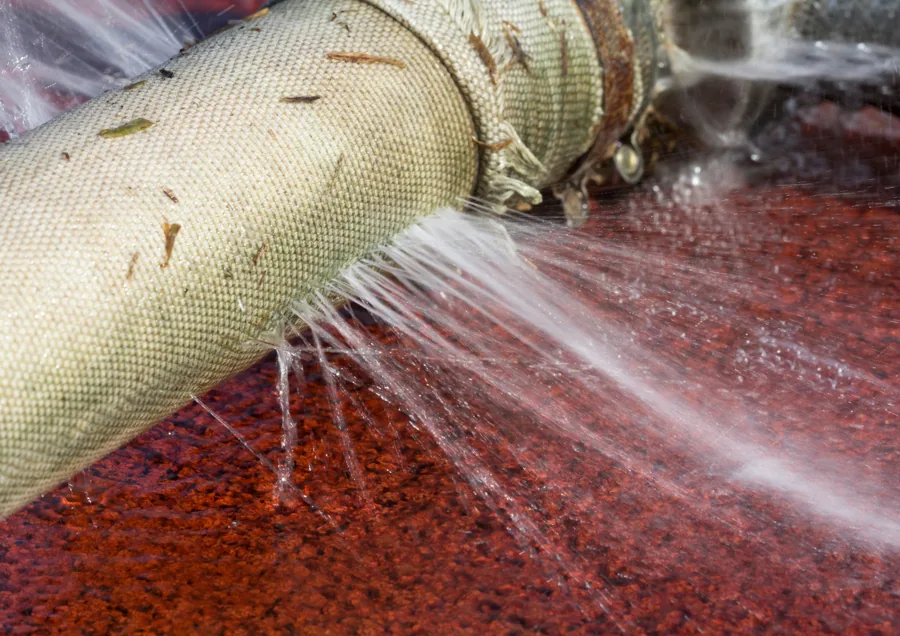
Category 1 water comes from a clean and sanitary source and poses minimal health risk initially.
Common sources include:
- Broken water supply lines
- Sink or bathtub overflows
- Appliance leaks from clean water lines
Although Category 1 water starts as clean water, it can quickly degrade if left untreated.
Category 2: Grey Water
Category 2 water contains contaminants that may cause discomfort or illness if exposed.
Sources may include:
- Washing machine discharge
- Dishwasher leaks
- The toilet overflows without solid waste
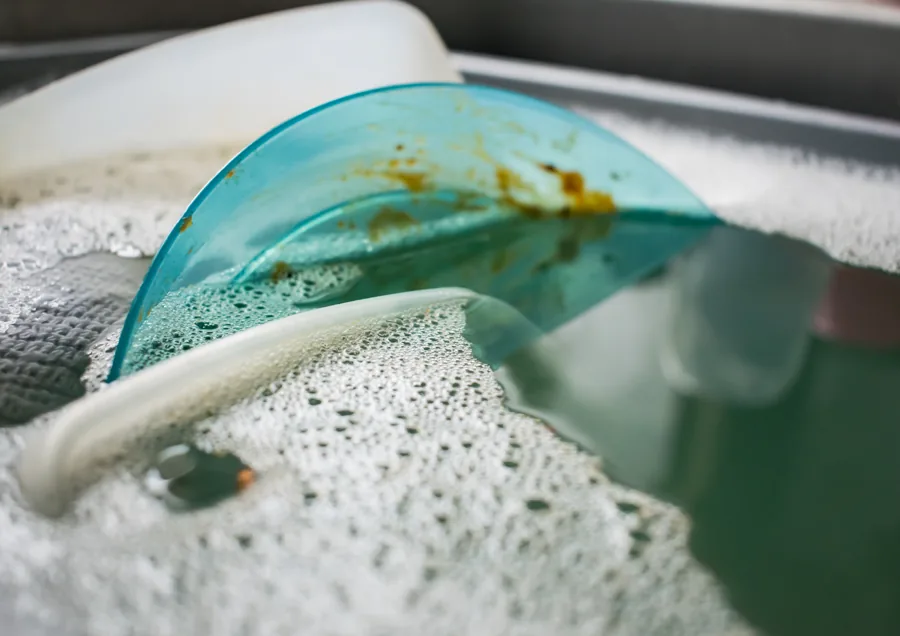
- Water containing cleaning chemicals or food residue
Grey water requires careful handling because bacteria and contaminants may already be present.
For example, washing machine leaks are a frequent cause of household water damage and can easily go unnoticed until significant moisture has spread. Issues like these are discussed in this guide on washing machine leaks that could have been avoided.
Category 3: Black Water
Category 3 water is highly contaminated and hazardous to health.
Common sources include:
- Sewage backups
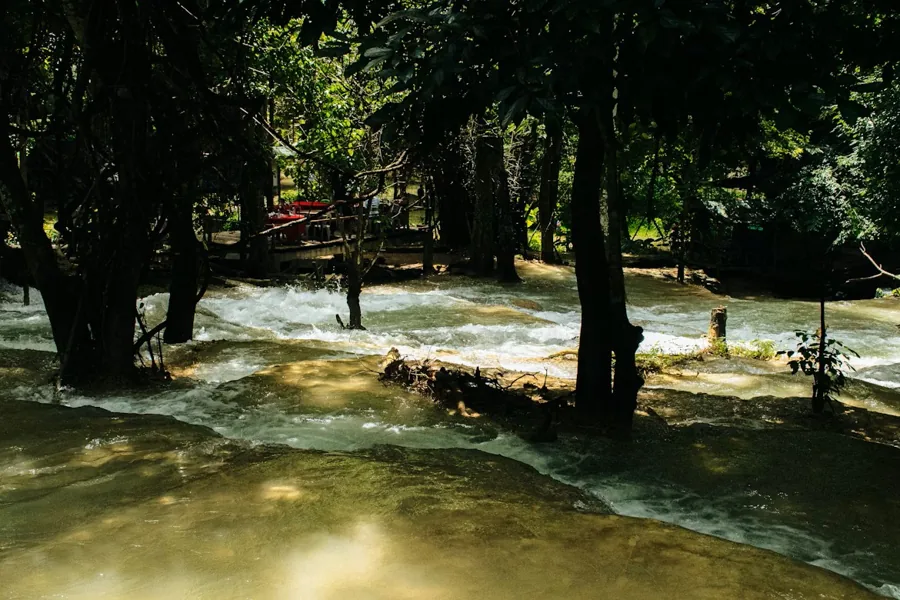
- Floodwater from rivers or storms
- Water containing waste or harmful microorganisms
Black water can carry bacteria, viruses, and toxins, making professional restoration essential for safe cleanup.
How to Tell if Water Damage Is Serious
Sometimes water damage may appear minor on the surface, but hidden moisture can cause major structural issues.
Signs that water damage may be serious include:
- Water stains on ceilings or walls
- Warped flooring or bubbling paint
- Musty or damp odours
- Visible mould growth
- Soft or weakened drywall
- Persistent dampness in carpets or materials
If these signs are present, the damage may have spread beyond the visible area.
What Happens if Water Damage Is Not Properly Cleaned
If water damage is not professionally treated, several problems can develop over time.
Potential consequences include:
- Structural deterioration of walls, flooring, and building materials
- Electrical hazards from water exposure
- Permanent damage to furniture and flooring
- Indoor air quality issues
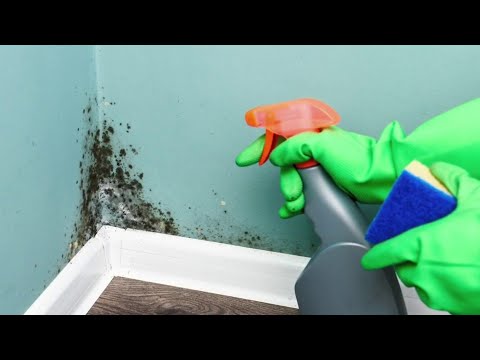
Most importantly, untreated water damage can quickly lead to mould growth.
Mould can begin developing within 24–48 hours when moisture remains trapped inside building materials. Once mould spreads, remediation becomes more complex and costly.
What to Do Immediately After Water Damage
Acting quickly after water damage can help reduce further damage.
Important steps include:
- Stop the source of the water if possible
- Turn off electricity in affected areas if safe
- Remove valuable items and furniture from wet areas
- Avoid walking on heavily saturated flooring
- Contact a professional restoration service immediately
Quick response is critical to prevent moisture from spreading deeper into the structure.
Why Professional Water Damage Restoration Is Important
Water damage restoration requires more than simply drying visible water. Moisture often penetrates deep into walls, flooring, and structural materials.
Professional restoration companies provide:
- Skilled technicians trained in water damage restoration
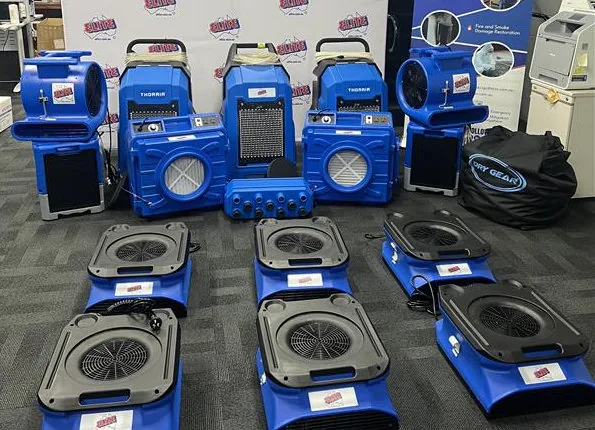
- Industrial-grade drying and extraction equipment
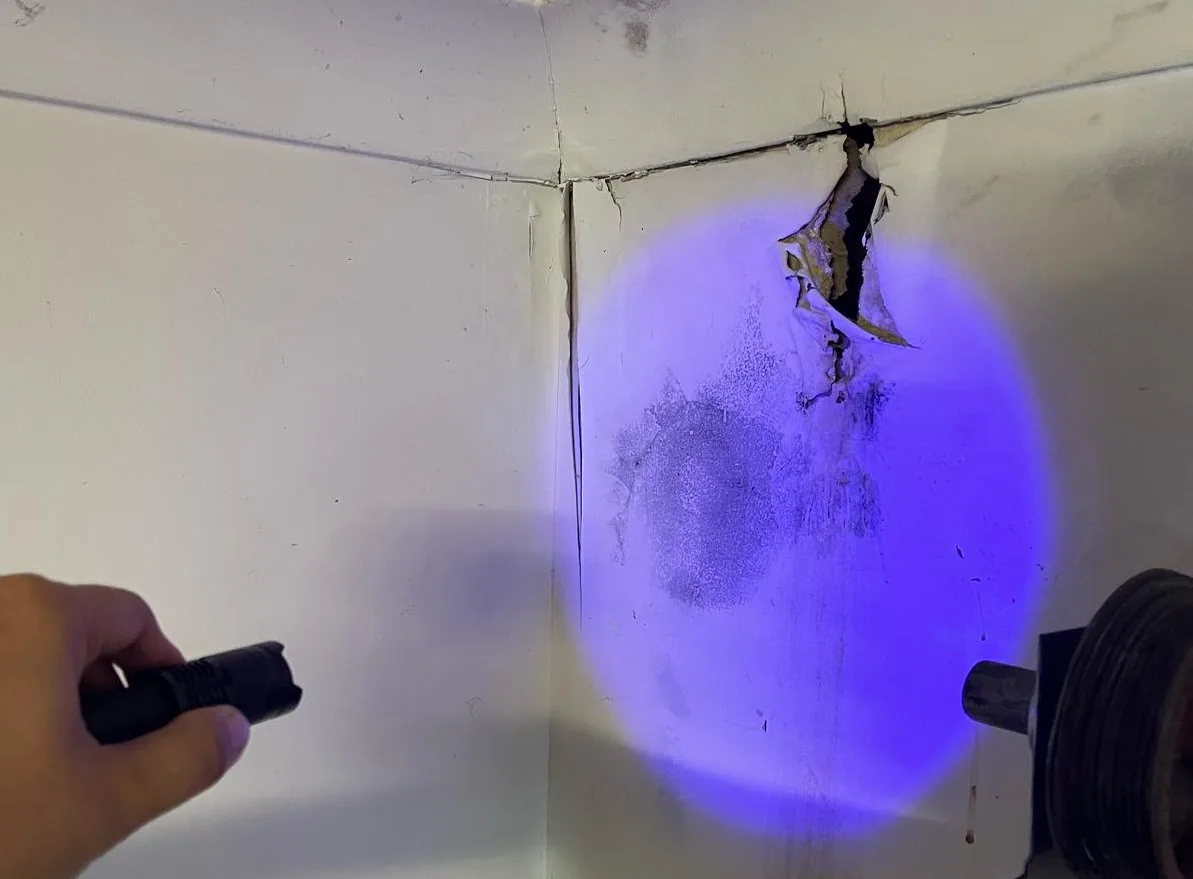
- Moisture detection tools to locate hidden water
- Proper structural drying techniques
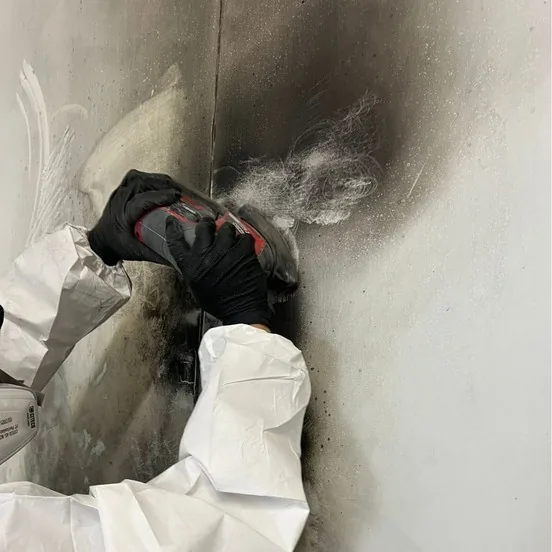
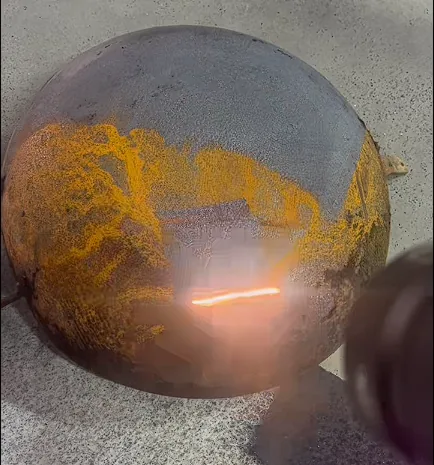
- Safe cleaning and sanitization procedures
Services such as 24/7 water damage restoration use specialized equipment and processes to remove moisture completely and prevent secondary damage.
Without professional equipment, hidden moisture may remain trapped inside building materials, increasing the risk of long-term structural damage and mould growth.
The Risk of Mould After Water Damage
One of the biggest risks following water damage is mould development. When moisture remains inside walls, carpets, or insulation, mould spores can begin growing rapidly.
This is why professional drying and restoration are critical after any significant water intrusion.
If mould develops, professional mould inspection and remediation may be required to safely remove contamination and restore the affected areas.
For a comprehensive overview of the health and safety aspects involved in the process, you can check out this insightful blog post on health and safety in water damage restoration.
Acting Quickly After Water Damage
Water damage can escalate quickly if left untreated. Understanding the causes, contamination categories, and risks involved helps property owners take the right steps after an incident.
Professional restoration ensures that moisture is properly removed, structures are safely restored, and the risk of mould growth is significantly reduced.
If you require professional assistance after water damage, request support by clicking here.
Or speak with our team: