Intro
Got questions about steps in water damage restoration process?
Elite Restoration, is a national Australian provider of cleaning, hygiene, restoration, and specialist remediation services — a premium, compliance-first partner for commercial, government, healthcare, education, infrastructure, and insurance environments.
Is your lounge room squishier than soggy Weet-Bix?
Stick with us for a plan that hits like a clean footy kick through the posts.
We will keep it simple and have a few laughs on the way.
What Are the Steps in Water Damage Restoration Process
Your place is wet, and your nerves are doing backflips.
Here is the game plan in plain talk.
Short, sharp, and Aussie as a snag at Bunnings.
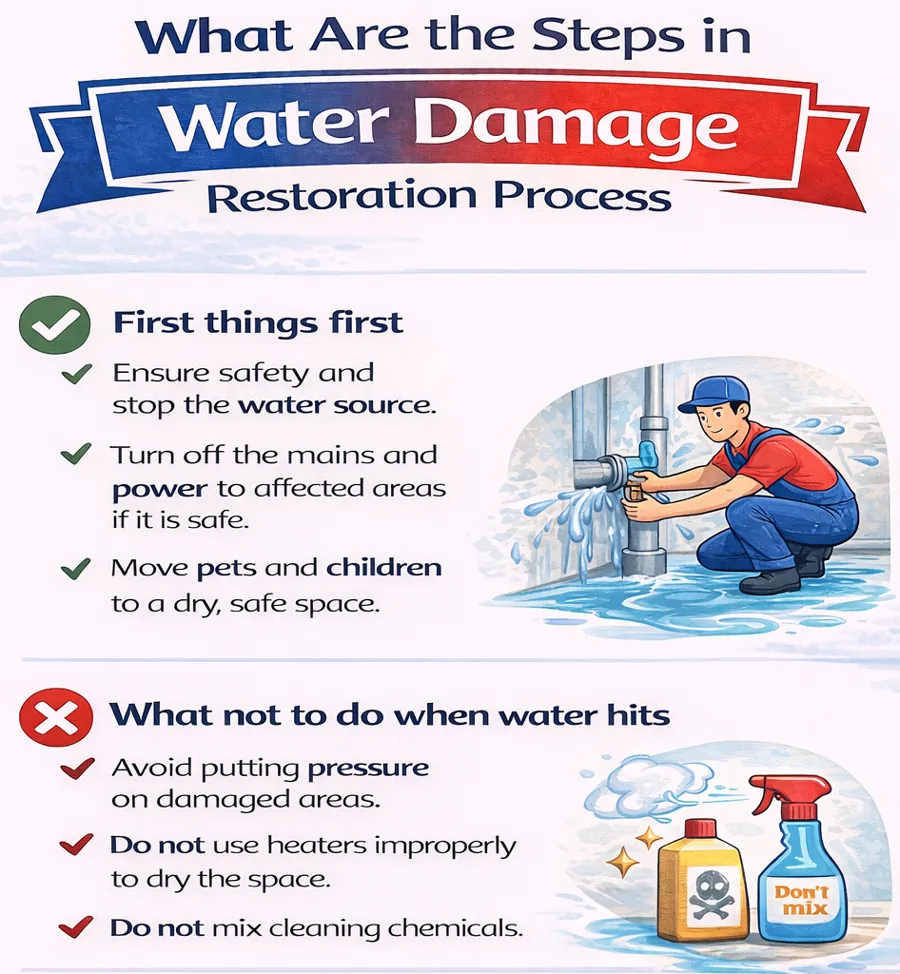
First things first
Keep safe and cut the water.
Turn off the mains if it is safe.
Turn off power to wet areas if it is safe.
Move pets and kids to a dry room with snacks and a tablet.
What not to do when the water hits
- Do not stomp on a soaked ceiling like a kangaroo on a trampoline.
- Do not blast heaters on full and hope for a miracle.
- Do not mix random cleaners like a backyard scientist.
- Do not ignore a funky smell and hope it takes a holiday.
The Step-by-Step Plan That Actually Works
Step 1: Stop the source
Find the leak and stop it like you mean it.
Restore the tap, the pipe, or the roof cover.
No more water means no more drama.
Step 2: Safety check
Watch your footing, as floors can be slippery as an eel.
Keep clear of sagging ceilings and wobbly walls.
Wear boots and gloves if you have them.
Step 3: Document for insurance
Take photos and short videos before you move things.
Snap the rooms, the walls, and the skirting boards.
It helps your claim and keeps the story straight.
Step 4: Water extraction
Out with the puddles and lakes.
Use wet vacs and pumps to pull water fast.
Every litre out is a win, bigger than a footy upset.
Step 5: Sort and protect contents
Lift rugs and pop furniture on blocks like a barbie on a brick.
Move books, clothes, and electronics to a dry zone.
Bag wet items that can stain, like cushions and shoes.
Step 6: Remove unsalvageable bits
Wet plaster, swollen skirting, and ruined carpet may need to go.
It is like pruning a rose bush so the good bits thrive.
Less wet junk means faster drying.
Step 7: Structural drying
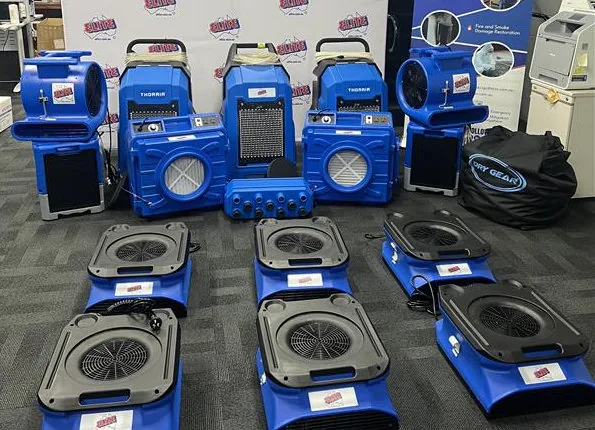
Bring in air movers and dehumidifiers.
Create airflow like a sea breeze in summer.
Pull the hidden moisture from walls, floors, and frames.
Step 8: Monitoring and moisture checks
Use moisture meters and thermal imaging to track progress.
We test like a science teacher with a clipboard.
Numbers do not lie, and dry means dry.
Step 9: Clean and sanitise
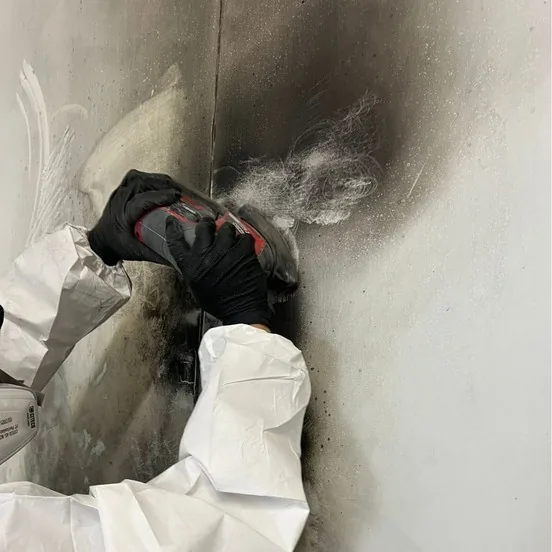
Vacuum with HEPA and wash non-porous surfaces.
Sanitise touch points like door handles and benchtops.
Say goodbye to germs and hello to that clean house smell.
Step 10: Mould prevention and treatment
Treat at-risk areas before mould throws a party.
Control humidity and keep airflow steady.
No dark, moist corners for the fuzzy stuff to camp.
Step 11: Odour control
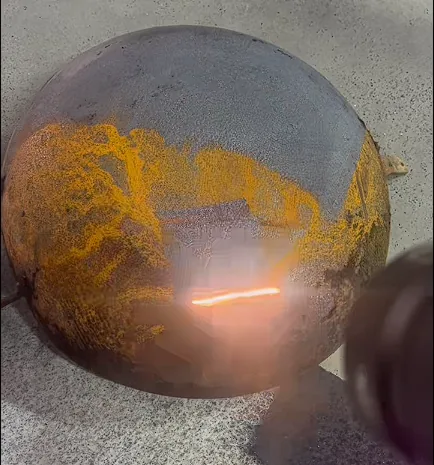
Use odour counteractants and more airflow.
We chase the pong like mozzies chase a campsite.
Fresh is the goal, not wet dog vibes.
Step 12: Restoration and rebuild
Replace plaster, paint walls, and refit floor coverings.
Restore doors, trims, and insulation where needed.
Make the home look and feel right again.
Step 13: Final checks and handover
Verify dry levels and confirm the area is safe.
Share care tips to keep it all sweet.
You get your space back without the squelch.
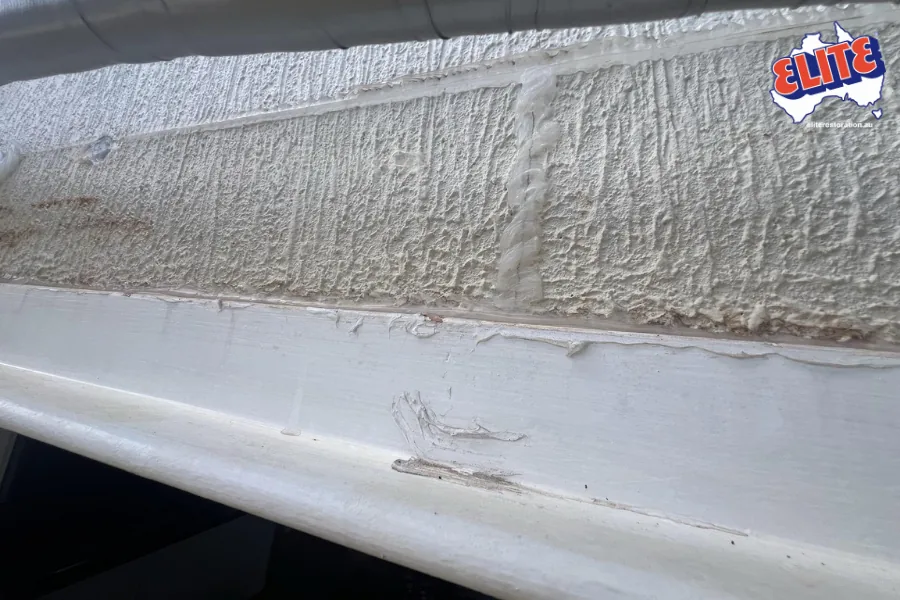
CASE STUDY: Storm Damage Leading to Hidden Moisture and Mould Risk
Storm events can often cause unseen damage that develops into larger issues over time.
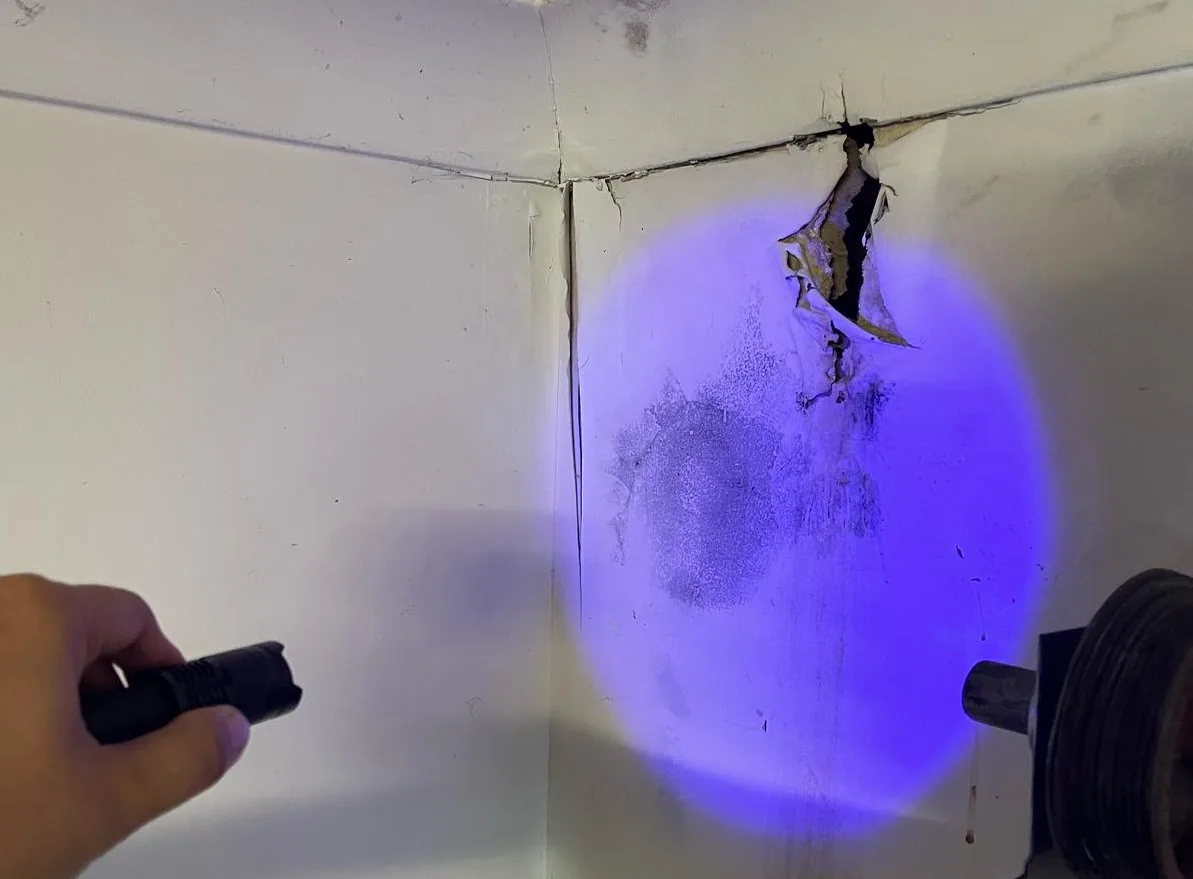
On 12 November 2025, Elite Restoration attended a property following concerns about possible storm-related damage and mould growth around a window area.
Initial reports indicated uncertainty around the extent of the damage, particularly following a recent hail event.
Assessment identified that storm impact had compromised the external wall, allowing water to enter through the window frame and affect internal materials.
This resulted in localised damage to plasterboard, trims, and paint, with conditions suitable for mould amplification.
The affected zone remained contained but required professional attention due to the presence of contaminated moisture.
This case highlights the importance of early inspection and proper remediation following storm damage.
Addressing both the internal impact and the external entry points is critical to preventing ongoing moisture issues.
Following restoration, repairs and improved sealing measures help ensure the property remains protected against future weather events.
Standards That Keep You Safe
We follow standards that match best practice for cleaning and restoration; our approach aligns with IICRC and CM3 guidance, delivered by certified teams with documented reporting to support compliance.
How Long Will It Take
Drying is like cooking a roast; slow and steady wins.
- Small leak in one room can take two to three days to dry.
- Big flood across many rooms can take four to seven days.
- Timber and plaster can take longer than tiles and concrete.
- Warm, dry air speeds it up like a tailwind on the highway.
What Can You Do Right Now
- Open windows and doors if weather allows it.
- Blot and lift loose water with towels and mops.
- Move art, books, and electronics to high ground.
- Do not start ripping walls without a plan and readings.
Common Signs You Still Have Hidden Moisture
- Skirting boards bow out like a surfboard.
- Paint blisters and bubbles appear.
- Musty odour hangs around like last night’s fish and chips.
- Floor feels cool and damp, even on a warm day.
FAQs About the Steps in Water Damage Restoration Process
Do I need a pro or can I DIY
Small spills and quick clean-ups can be fine for DIY.
If water has soaked walls, floors, or cabinets, you need pro gear and testing.
Moisture hides deeper than a snag under the grill plate.
Will my insurance cover this
Many policies cover sudden events like a burst pipe.
Wear and tear may not be covered.
Take photos, keep receipts, and call your insurer to confirm.
Can wet carpet be saved
Sometimes, yes, with clean water and fast action.
If the underlay is soaked, it often needs replacing.
If the water was dirty, it is safer to replace.
Is mould dangerous
Mould can trigger allergies and asthma.
It loves damp, dark spots and grows fast.
Treat it early and keep humidity down.
Why do you use dehumidifiers
Fans move moisture to the air.
Dehumidifiers pull that moisture out of the air.
They work as a team like halves on the footy field.
How do you know it is dry
We take meter readings in the centre and at the edges.
We compare to dry rooms and set targets.
No guesswork, only readings.
Your Next Step
We operate nationally and focus on compliance, certified teams, and minimal disruption service models.
Need help now and want it restored right the first time?
Get a fast quote and booking here
Prefer to talk to a real person who loves a yarn?
Now you know the steps in water damage restoration process.