Intro
.webp)
Mould remediation North West Coast Merseyforth on your mind?
Worried your walls are growing a fur coat like a yeti in July?
Stick with us, and keep your place cleaner than a footy change room after a big win.
Here is how to stop the fuzz and keep your lungs happy.
Elite Restoration provides national coverage with certified, compliance-first teams and documented reporting.
Why Mould Loves the North West Coast Merseyforth
The air is cool and salty like a sea breeze with attitude.
Rain rolls in faster than a summer storm over Bass Strait.
Winds whip moisture into every crack like a mosquito at a barbecue.
Condensation drips down windows like a cold beer on a hot arvo.
Result.
Spores party.
Surfaces sweat.
And rooms can smell like a forgotten esky.
What Works for Mould Remediation North West Coast Merseyforth
- Find the moisture and stop it at the source.
- Contain the area so spores do not go walkabout.
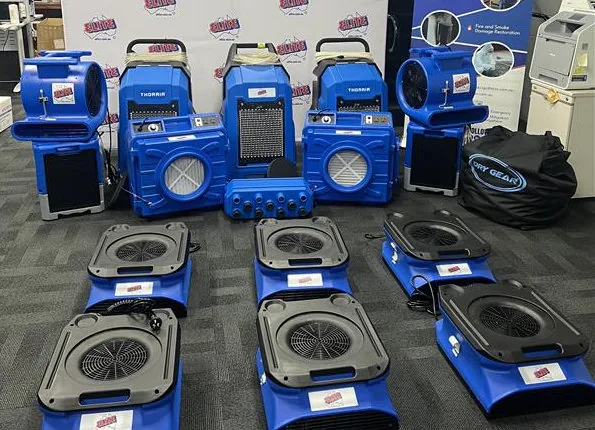
- Use HEPA gear to trap the tiny troublemakers.
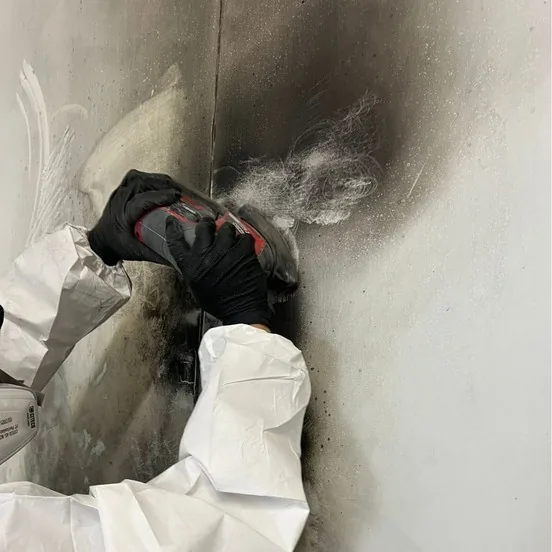
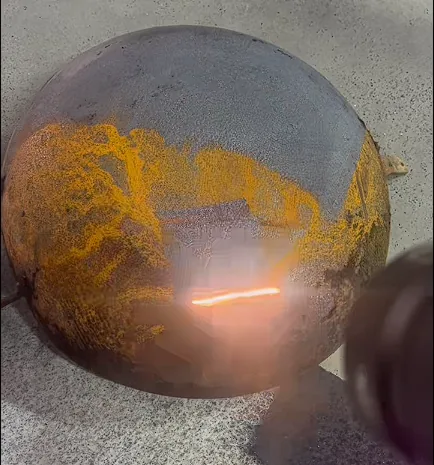
- Clean and remove with methods that suit the surface.
- Dry the space like a crisp Tassie morning.
- Check the air and surfaces so it stays gone.

What Not to Do With Mould
- Do not paint over it like a dodgy cover band.
- Do not spray and pray, then hope for the best.
- Do not scrub dry and blast spores around like confetti.
- Do not ignore leaks and steamy rooms like last week's laundry.
- Do not use random hacks you saw while scrolling at midnight.
Fix the Moisture First
No dry means no goodbye.
Moisture is the boss of mould.
Kick it out, and the party ends.
- Sort leaks from roofs, gutters, windows, and pipes.
- Use exhaust fans in bathrooms and kitchens every time.
- Open windows when safe and cross-vent like a pro.
- Run a dehumidifier when the air feels like soup.
- Keep furniture off cold walls so air can move.
- Dry towels and sports gear outside the living room.
CASE STUDY: Moisture & Mould Assessment Report – Commercial Office
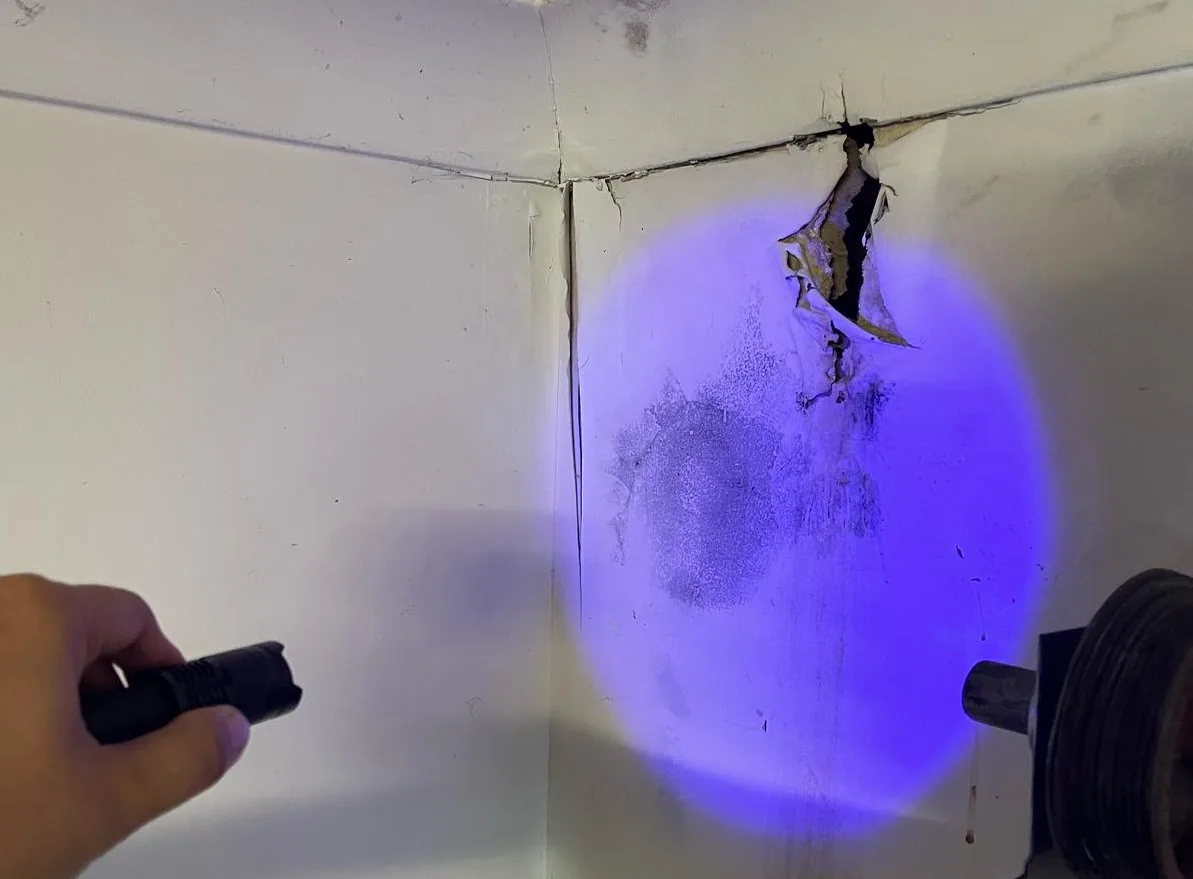
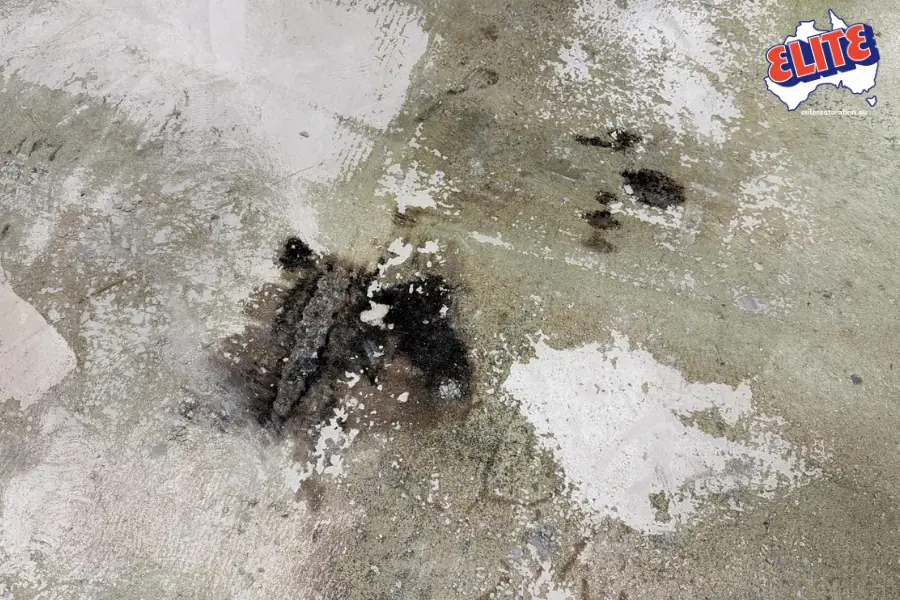
On 25 February 2026, Elite Restoration attended a commercial office to assess reported moisture and mould concerns using visual inspection, non-invasive moisture readings, thermal imaging, and selective lifting of carpet tiles.
Three key areas were inspected, including Office Area 1, the Councillor Room, and the Reception Area, with no significant moisture or active water intrusion detected throughout the premises.
Office Area 1 was confirmed dry with only two minor localised mould spots identified, while the Councillor Room and Reception Area showed slight to minor moisture readings consistent with environmental conditions rather than an active source.
Additional observations noted that carpet tiles are commercial grade, installed without underlay, slightly loose, and visibly stained, which has allowed airflow beneath and contributed to partial drying of the concrete substrate.
Thermal imaging across all areas did not identify any major wet zones, and all structural elements, including concrete substrates, plaster walls, and ceilings, were confirmed dry.
In accordance with IICRC standards, the mould condition in Office Area 1 was classified as Condition 2 (minor localised growth), with no active mould condition present in other areas.
Overall, there is no evidence of structural moisture issues, and all findings indicate minor, manageable conditions that do not suggest ongoing water ingress.
Elite Restoration recommends professional steam cleaning of all carpets, targeted remediation of the identified mould spots, and the use of dehumidifiers to address residual moisture.
These actions will restore hygiene, improve indoor air quality, and ensure the space remains safe and well-maintained.
Coastal Conditions and Why They Matter
Salt air can tease metal like a seagull eyeing your chips.
Storms can drive rain into gaps that looked fine all summer.
Rapid weather shifts make windows fog up like a bathroom mirror.
Busy sites bring wet shoes and damp gear that feed mould meals.
Commercial spots and homes see the same story from Devonport to the Mersey and Forth.
Moisture gets in.
Mould shows up.
The trick is to stop the wet and clean the rest.
Simple Signs You Have a Problem
- Musty whiff that lingers longer than a bad joke.
- Dots or smears on walls or ceilings like freckles in a row.
- Condensation that drips every morning like clockwork.
- Peeling paint that lifts like old stickers.
- Sneezes or sniffles that start in one room, then stop outside.
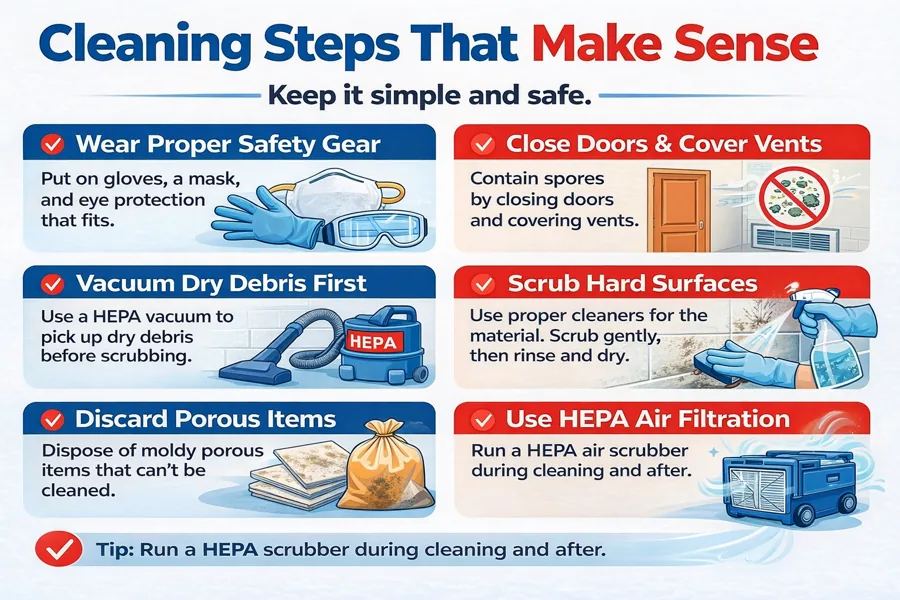
Cleaning Steps That Make Sense
Keep it simple and safe.
- Put on gloves, a mask, and eye protection that fits.
- Close doors and cover vents to keep spores contained.
- Use a HEPA vacuum to pick up dry debris first.
- Clean hard surfaces with the right product for the material.
- Use light agitation, not rugby tackles.
- Rinse and wipe, then dry until it squeaks.
- For porous items like soft ceiling tiles, it may be time to replace them.
- Run HEPA air filtration while you work and for a while after.
Standards That Keep You Safe
We follow Australian Standards and IICRC-aligned methods and maintain CM3-compliant processes, so the job is done right.
Our certified teams deliver documented reporting and work to minimise disruption.
You can read more about the benchmark methods at this link to IICRC Standards.
Tips for Homes and Busy Sites on the Coast
- Set indoor humidity near forty to fifty per cent when you can.
- Warm up cold walls with smart airflow and insulation where needed.
- Keep gutters clear so water does not take a shortcut inside.
- Leave bathroom doors open after showers to dump the steam.
- Use door mats and boot trays so wet shoes do not soak the floors.
- Rotate soft furnishings so damp spots do not linger.
When to Call in Backup
- Growth covers more than a sheet of A4.
- You can smell mould but cannot find the source.
- There was a water event, and things still feel damp.
- People in the space feel crook or sneezy around one area.
- The same patch keeps coming back like a bad sequel.
Frequently Asked Questions
Is mould bad for my health
Mould can annoy noses, throats, and lungs like dust that never clocks off.
Some people feel it more than others.
Keep the air clean and the space dry to stay comfy.
Will bleach fix mould
Bleach can make stains look lighter, like a filter on a photo.
It may not fix the root cause.
Sort moisture and clean the surface the right way for the surface.
How long does mould remediation take
Small rooms can be done in a short time.
Larger or more complex jobs can take longer.
Dry time is the big factor, so plan for that.
Will mould come back?
If moisture returns, mould can follow like a magpie in spring.
Control humidity and airflow, and it will not feel welcome.
Do I need to move out during cleaning
For small areas, you can often stay in another room.
For bigger jobs, set up a clean zone and keep the area sealed.
Safety first, then comfort next.
What about carpets and soft furnishings
Light surface growth may clean up well.
Heavy growth or long wet periods may need replacement.
Always dry fast to save fabrics.
Ready to Sort Your Space
Want a quote or to chat with a pro from Elite Maintenance Services Group in plain English?
Use this link for quotes and bookings.
Need to talk right now?
Call our national team here, and we will help.
Stay dry, stay breezy, and keep the fuzz away with mould remediation north west coast merseyforth.