Intro
Mould inspection remediation Australia on your mind?
Worried the bathroom smells like a wet sock at a footy final?
Seen a spot on the ceiling that looks like it wants its own postcode?
Stick with us, and we will sort it faster than a snag line at Bunnings.
Elite Restoration is a national, compliance-first partner with certified teams, CM3 and IICRC-aligned delivery, and documented reporting to help keep disruption minimal.
Mould Inspection Remediation Australia Explained
Mould loves warm air and sneaky leaks like a magpie loves shiny things.
It spreads quiet and quick, like gossip in a group chat.
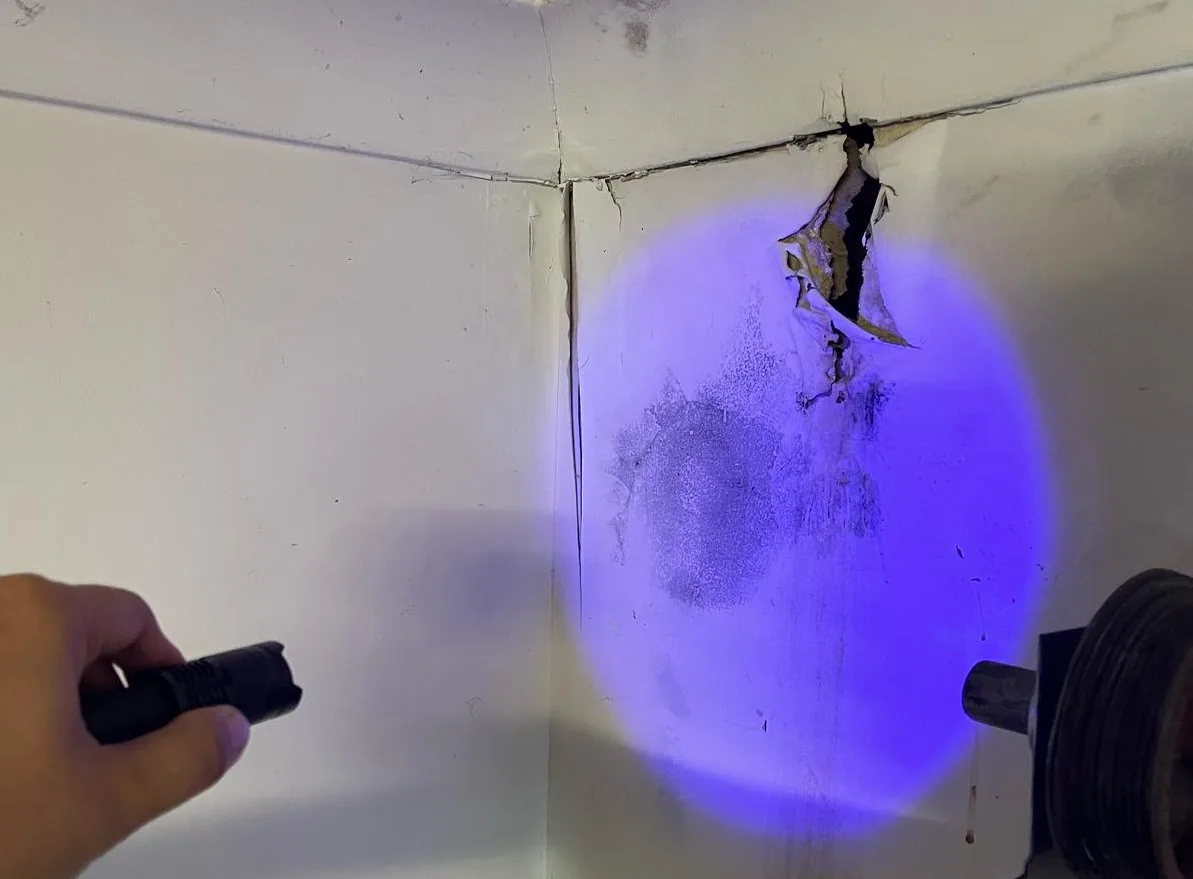
Inspection finds the why and the where.
Remediation restores the mess so it does not come back for an encore.
Common Signs You Need a Mould Inspection
- Your shower grout looks like it grew a five o’clock shadow.
- The ceiling has spots that play connect the dots.
- Your wardrobe smells like it rained inside the cupboard.
- Windows sweat like a cold can from the servo.
- Family sneezes more than a hay fever day in spring.
CASE STUDY: Hidden Moisture, Lasting Impact
Water damage and mould contamination often go hand in hand, especially after severe weather events.
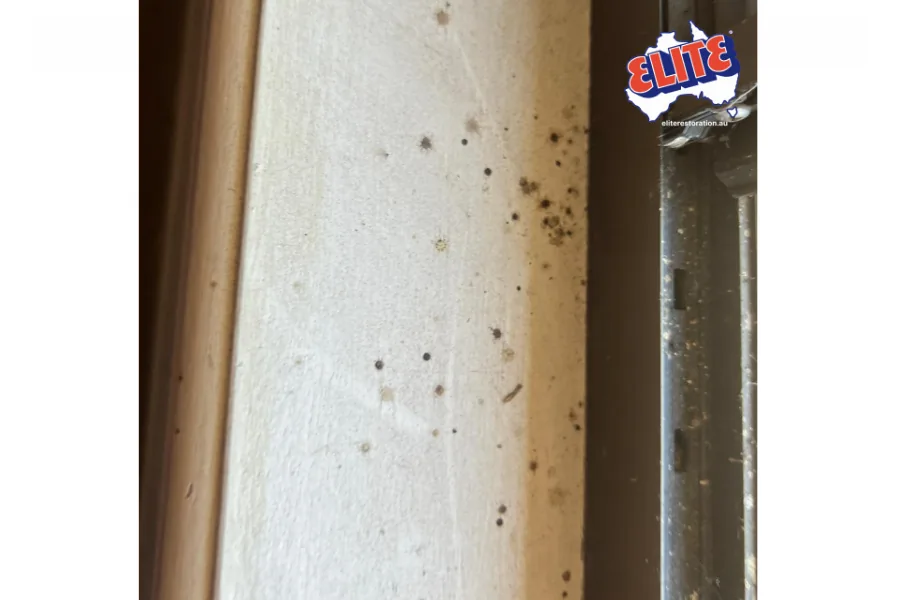
On 9th September 2025, Elite Restoration attended a property following reports of visible black mould growth in internal areas.
The root cause was prolonged moisture exposure after a major storm event, where wind-driven rain entered through the roof cavity and structural joints.
Moisture became trapped within the building structure, particularly under metal roofing and around slab-to-wall junctions, creating the perfect environment for mould to thrive.
Over time, this led to extensive mould colonisation in the roof cavity, along with visible growth and material deterioration in internal areas such as ceilings and window zones.
Laboratory testing confirmed elevated mould spore levels, indicating active contamination rather than dormant presence.
This situation highlights the importance of thorough remediation, especially following Category 3 water intrusion involving contaminated floodwater.
Without proper drying and removal of affected materials, residual moisture and salts can continue to drive mould regrowth long after the initial event.
Following industry standards such as IICRC S500 and S520 ensures that contamination is properly addressed, restoring a safe and healthy indoor environment.
How We Tackle an Inspection Without Guesswork
We start with a clear plan and a keen eye.
- Visual check inside and out, with clear photos.
- Moisture readings on walls and ceilings with pro tools.
- Infrared camera scan to spot hidden damp, like a thermal treasure map.
- Humidity and temperature readings to flag condensation risk.
- Air quality testing, where it makes sense, for proof you can see.
No smoke and mirrors.
Just data that talks straight.
What You Get in a Useful Report
- Plain language findings with clear photos.
- Moisture and humidity data with key hotspots marked.
- Root cause clues like leaks or poor airflow.
- A step-by-step remediation plan that suits your place.
- Prevention tips you can action this week.
- Post-work checks and sign-off for peace of mind.
.webp)
Mould Remediation That Sticks
Think of this like cleaning after a big barbie, then locking the fridge.
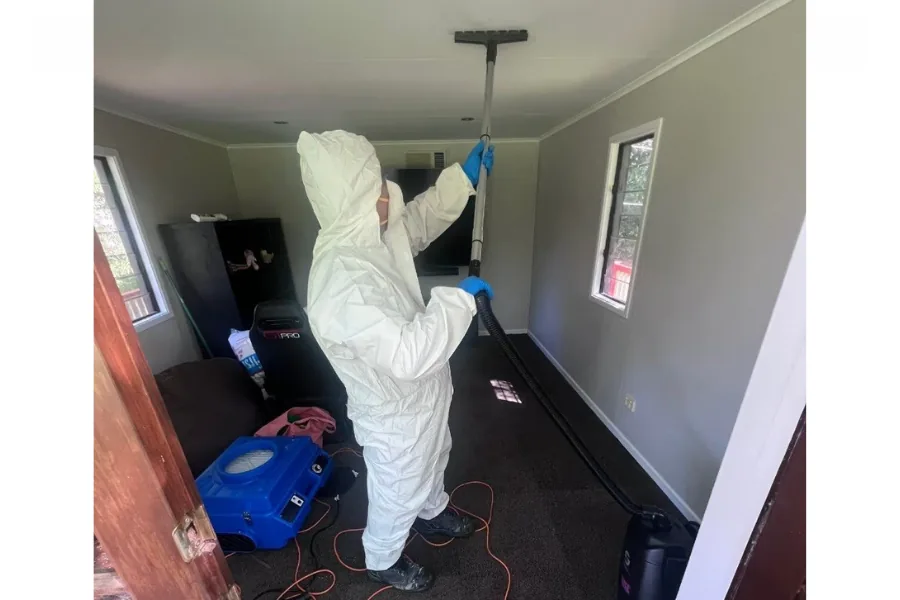
- Contain the work area so spores do not go walkabout.
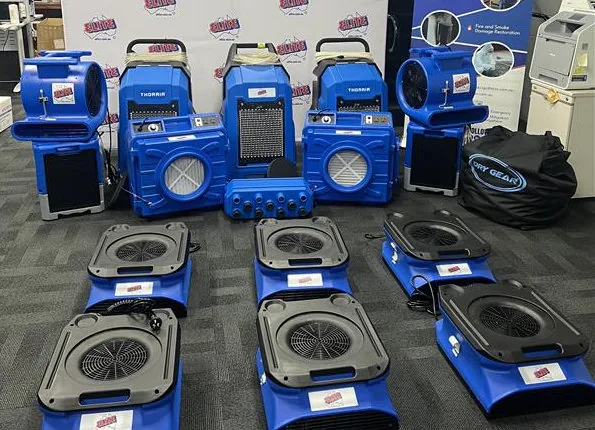
- Filtration with HEPA gear for cleaner air while we work.
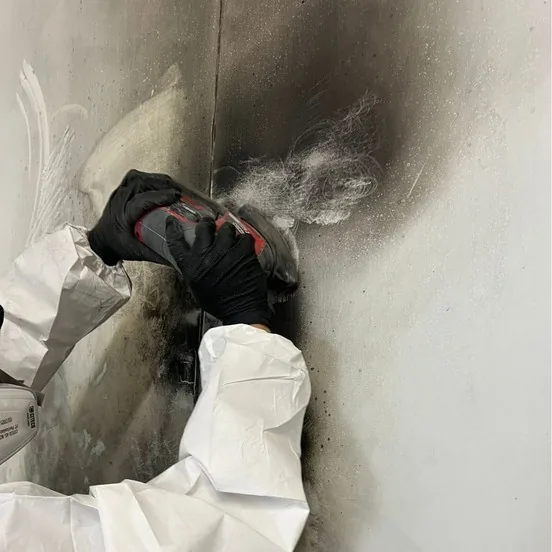
- Remove damaged material where needed with care.
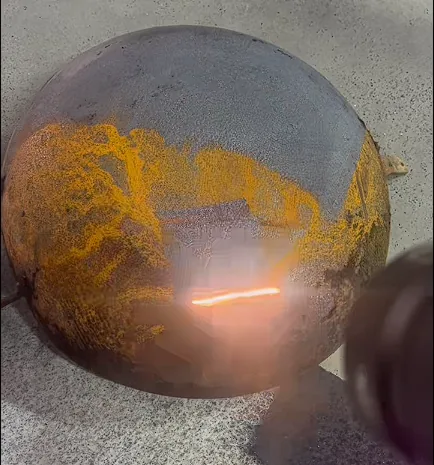
- Clean and treat hard surfaces so mould loses its grip.
- Dry the zone so it stays less like a sauna and more like a study.
- Final check and photos so you know the job is done right.
Why This Matters for Aussie Homes
From steamy summers in Brisbane to winter chills in Melbourne, moisture loves a chance.
Bathrooms, laundries, and kitchens are the usual suspects.
Basements and subfloors also like to throw a curveball.
Stop the damp, and you stop the drama.
Simple Restores That Make a Big Difference
- Run exhaust fans for a few extra minutes after a hot shower.
- Open windows and let breezes do the heavy lifting.
- Use a dehumidifier in rooms that feel muggy.
- Wipe sills and tiles so moisture cannot settle in.
- Restore leaks fast so mould has nothing to snack on.
What About Safety and Standards
We follow recognised cleaning and restoration guidance so you get a steady result.
Our approach aligns with IICRC guidance and CM3 compliance where relevant, delivered by certified teams and backed by documented reporting.
Read about IICRC standards and why they matter here at IICRC reference.
Who Benefits From a Pro Inspection
- Homeowners who want a clear plan, not guesswork.
- Renters who spot patches and need a fair report.
- Property managers who need fast and tidy restores.
- Body corporate teams who want fewer callbacks.
- Buyers who do not want a surprise after moving day.
How Long Does It Take
Most inspections fit into a morning or an arvo.
Reports follow soon after, with photos and data.
Remediation timing depends on size, access, and drying time.
What Causes Mould to Return
Damp air is like a buffet for spores.
Leaks that keep dripping give mould a season pass.
Poor airflow lets moisture camp out like a tent city.
Restore the source, and the result holds strong.
Quick Checklist Before We Arrive
- Clear the space so we can reach walls and ceilings.
- Note where you see spots or smell musty air.
- List any past leaks or storms that hit the home.
- Keep pets safe in another room during the visit.
FAQs on Mould Inspection Remediation Australia
Do I really need both inspection and remediation
Inspection finds the cause and scope, while remediation restores the issue.
Skip one, and the other does not stick.
Will cleaning alone solve it
Cleaning helps, but damp air and leaks will bring it back.
Deal with moisture and airflow, and the clean will last.
Can I paint over mould
Paint is makeup on a muddy face.
It will peel, and the spots will wave hello again.
Is fogging enough on its own
Fogging can support a plan, but it is not a magic wand.
Source control and thorough cleaning matter most.
What if the mould is behind walls
Moisture readings and infrared can point to hidden damp.
We assess and choose safe access methods if needed.
Will insurance cover mould
Cover changes by policy and cause.
Speak with your insurer with our report in hand.
How do I keep mould away after the job
Ventilate, control humidity, and restore leaks fast.
Keep surfaces dry, and you keep mould hungry.
Ready to Sort It
Want a clear report and a simple plan that fits your home?
Get a fast quote right here at contact us and bookings.
Need to talk with a real person now?
Tap here to call now, and get help today.
We are set for homes and business needs across the country with mould inspection remediation Australia, offering national coverage and minimal disruption service models.