Intro
IICRC water damage restoration on your mind?
Got a soggy carpet and stress creeping in?
Stay calm.
Elite Maintenance Services Group is a national, compliance-first provider with certified teams and CM3 and IICRC-aligned delivery.
We will guide you through it step by step.
What Is IICRC Water Damage Restoration?
IICRC water damage restoration is the industry-standard approach to drying and cleaning after leaks or flooding.
It follows proven methods, clear processes, and safety guidelines.
The goal is simple: restore your property to a clean, dry, and safe condition.
We follow IICRC standards to ensure consistent, high-quality results.
Common Mistakes After Water Damage
- Waiting too long to act
- Relying on household fans only
- Leaving wet carpet and underlay in place
- Ignoring hidden moisture in walls and subfloors
- Using air fresheners instead of proper cleaning
These mistakes often lead to mould growth and ongoing damage.
compliant, professional IICRC water damage restoration across Australia.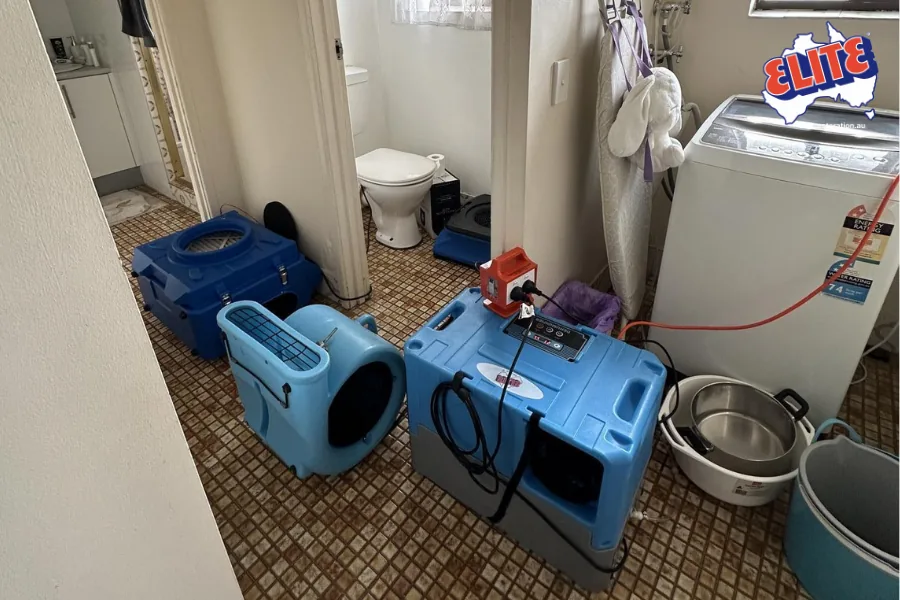
CASE STUDY: Water Damage Assessment and Structural Drying
On 2 March 2026, Elite Restoration was engaged to assess and make safe a water damage incident caused by a burst pipe in the ceiling cavity of a Unit.
The clean water leak migrated vertically, affecting the Unit's toilet, bathroom, and hallway, as well as the Unit below, including the toilet and garage ceiling.
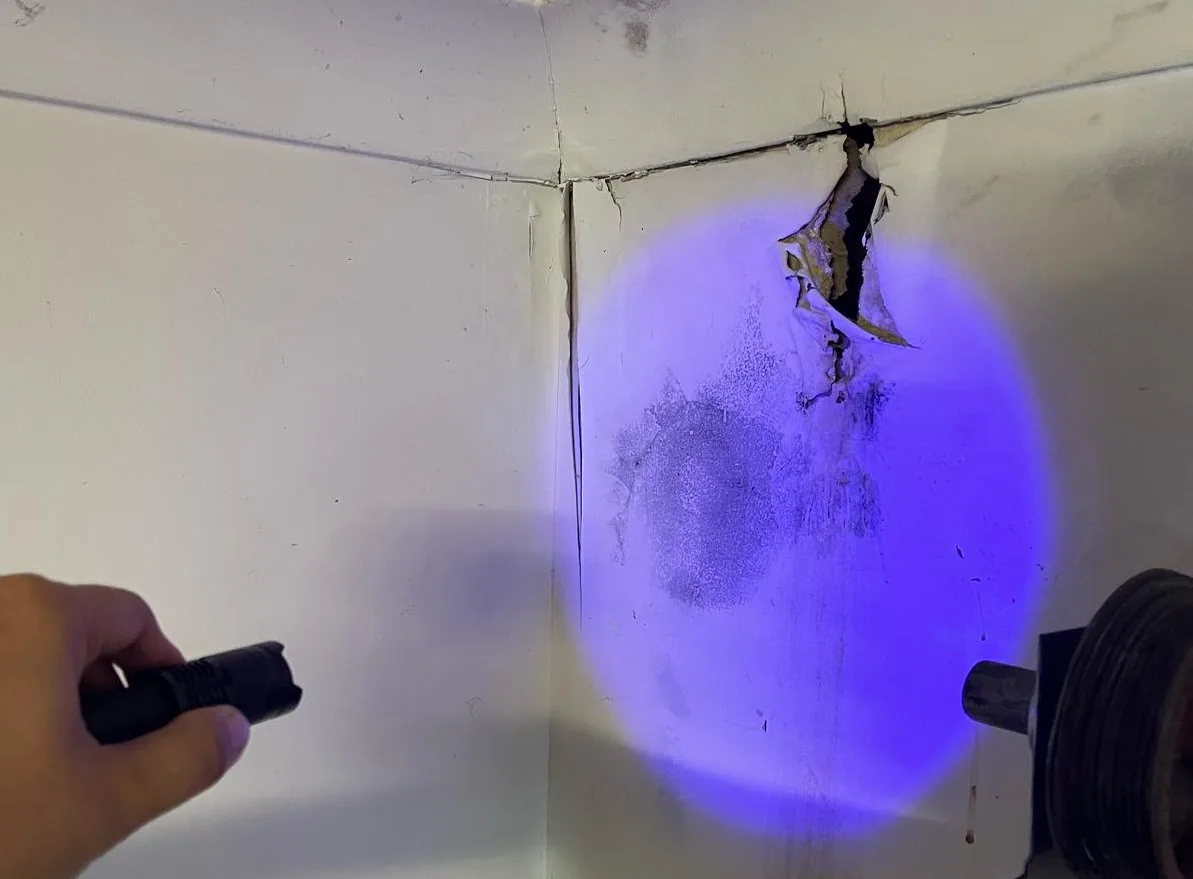
Initial inspections identified moisture within wall cavities, ceilings, and tiled floors, requiring immediate structural drying.
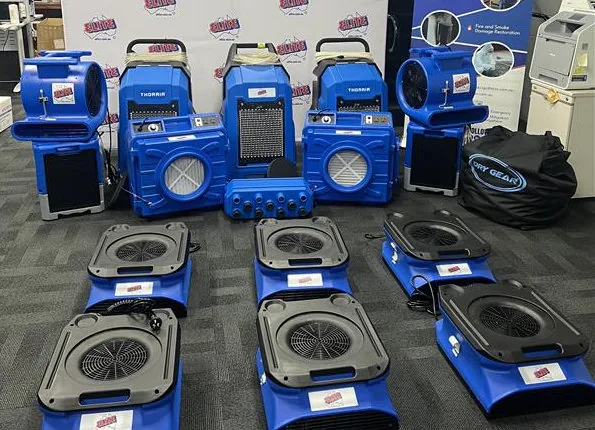
Over multiple attendances, Elite Restoration implemented a targeted drying strategy using dehumidifiers, air movers, and the Octopus drying system to remove moisture from concealed cavities and affected materials.
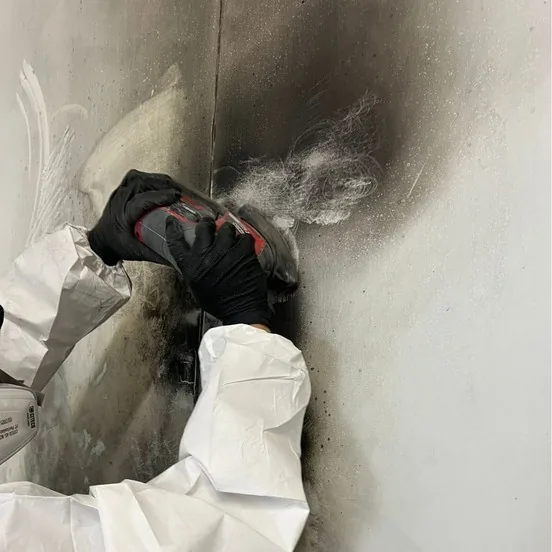
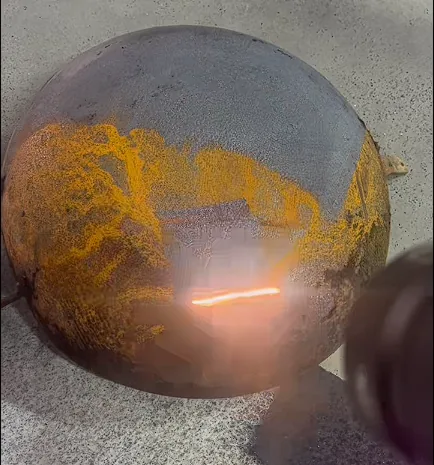
Compromised paint layers were removed to accelerate drying, and airflow was optimised throughout the process.
Thermal imaging and moisture monitoring guided ongoing adjustments to ensure complete drying prior to reinstatement.
Final inspections confirmed all affected walls, ceilings, cavities, and flooring had returned to acceptable dry levels.
Drying equipment was removed, and the site was left clean and safe.
Elite Restoration successfully restored the property’s structural integrity, preventing further damage and ensuring the environment was ready for reinstatement.
What Proper IICRC Water Damage Restoration Includes
- Fast and thorough water extraction
- Moisture mapping using professional equipment
- Structural drying with air movers and dehumidifiers
- Cleaning and sanitising affected areas
- Daily monitoring of moisture levels
- Detailed reporting for insurance purposes
- Category 1: Clean water (e.g., burst pipes)
- Category 2: Grey water (e.g., appliances)
- Category 3: Black water (e.g., sewage or flooding)
- Class 1: Small, localised area
- Class 2: Larger floor areas affected
- Class 3: Walls and ceilings involved
- Class 4: Dense materials with slow drying
- Stop the water source and ensure safety
- Document damage for insurance
- Extract standing water
- Inspect subfloor and hidden areas
- Set up air movers and dehumidifiers
- Target wall cavities and structural elements
- Clean and sanitise affected surfaces
- Monitor moisture levels daily
- Remove equipment once drying goals are met
- Final clean and inspection
- Avoid using electrical equipment near water
- Do not mix cleaning chemicals
- Call professionals if structural elements are affected
- Moisture meters and thermal imaging cameras
- High-capacity water extractors
- Industrial air movers
- Low-grain refrigerant dehumidifiers
- HEPA air filtration systems
- Take clear photos before and during restoration
- Keep receipts for emergency work
- Record dates and cause of damage
- Maintain communication logs with your insurer
- Damp or musty odours
- Visible mould growth
- Warped flooring or swollen materials
- Persistent moisture after initial drying
- Stains or discolouration on walls and ceilings
- Know your water shut-off location
- Maintain gutters and drainage systems
- Lift rugs and protect flooring after spills
- Use airflow to assist early drying
Clear process. Proven results.
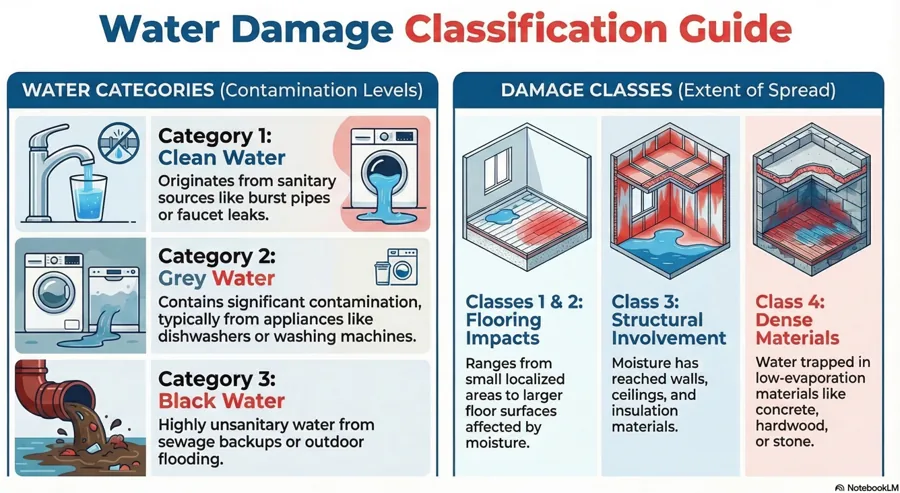
Understanding Water Damage Categories and Classes
We assess both contamination level and spread.
Water Categories
Damage Classes
Step-by-Step Water Damage Restoration Process
DIY vs Professional Help
Basic steps like mopping and ventilation can help initially.
However, hidden moisture often requires professional equipment and expertise.
Equipment Used in Professional Drying
How Long Does Drying Take?
Most projects take between three and five days.
Larger or more complex jobs may take longer.
Drying time depends on materials, the extent of damage, and environmental conditions.
Insurance Tips for Water Damage Claims
We provide documentation and reporting to support your claim.
Signs You Need Professional Help Immediately
Practical Tips for Australian Homes
FAQs About IICRC Water Damage Restoration
Will odours remain after drying?
No, proper cleaning and drying remove odours effectively.
Can carpets be saved?
Often yes, especially with clean water and a fast response.
Do you remove walls or skirting?
Only when moisture readings indicate it is necessary.
Do dehumidifiers overheat the space?
They generate mild warmth but are managed for safe operation.
When should I call a professional?
Immediately, if water affects structural elements or contamination is present.
Ready to Restore Your Property?
Get fast, reliable help from a trusted national provider.
Request a quote and get started today.
Need urgent assistance?
Call now and speak with our team.
Elite Restoration