Intro
How to properly restore water damage without turning your place into a splash zone?
Worried the carpet smells like a wet dog at the beach?
Thinking the ceiling might sag like a tired footy banner?
Stick with us, and keep your home dry and your sanity drier.
Advice here reflects best-practice, compliance-first restoration methods used by Elite Maintenance Services Group, a national Australian provider established in 1984.
Real Worries Aussies Have About Water Damage
- Is it safe to walk through the puddles in thongs?
- Will the stink hang around like a bad fish and chip shop bin?
- Do I need to rip up the carpet, or can it be saved?
- Will this grow mould faster than a mozzie party in the tropics?
- Who do I call, and what do I do right now?
How to Properly Restore Water Damage: A Step-by-Step Guide
Step 1: Ensure safety first
- Turn off the power to wet rooms before anything else.
- If you are not sure, then do not touch switches or cords.
- Wear rubber boots and gloves so you do not play slip and slide.
- Watch your step, as floors can be slicker than a pelican on a jetty.
Step 2: Find the source and stop it
- Look for a burst pipe, a roof leak, a leaky loo, or a cranky appliance.
- Turn off the mains if a pipe is the villain.
- Put a bucket under drips like it is the big wet.
- Clear gutters if rain is sneaking in like a possum at night.
Step 3: Take photos and make notes
- Snap every room, every stain, and every soggy bit.
- Record dates and what got wet.
- This helps with insurance and keeps your story straight as a fence post.
Step 4: Start water extraction fast
- Scoop standing water with a wet vac if you have one.
- Use mops and towels like a team on grand final day.
- Open windows if the weather plays nice.
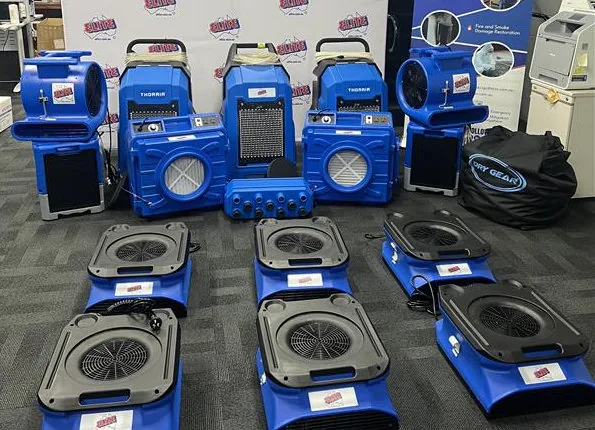
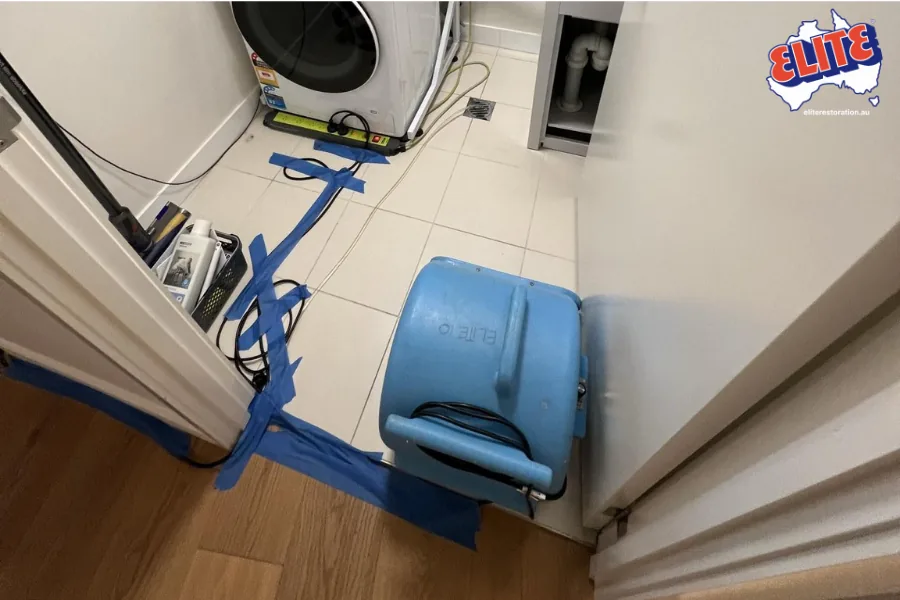
- Run fans and dehumidifiers to kick moisture out like a bouncer at the pub.
- Lift rugs and move furniture so air can flow like a sea breeze.
Step 5: Dry smart, not hard
- Focus on hidden spots like wall cavities, under cabinets, and behind skirting boards.
- Check timber, plaster, and insulation, which hold water like a sponge.
- Aim for dry to the core, not just the top that looks fine in the arvo sun.
- Keep gear running till readings say dry, not till it feels sort of okay.
Step 6: Clean and treat
- Wash hard surfaces with a mild cleaner.
- Use an appropriate sanitiser on floors and walls touched by dirty water.
- Bag and bin ruined items that smell like low tide and cannot be saved.
- Ventilate while cleaning so fumes do not linger like smoke after a snag cook-up.
Step 7: Call the pros when needed
- If water is inside walls or the area is large, call in restoration experts with certified teams and CM3/IICRC-aligned delivery.
- They have meters, dryers, and documented reporting that work like a footy coach on game day.
- See how proper methods line up with trusted guidance at this link to the IICRC standard and our CM3-aligned approach.
.webp)
CASE STUDY: Storm Damage Leading to Hidden Moisture and Mould Risk
Storm events can often cause unseen damage that develops into larger issues over time.
On 12 November 2025, Elite Restoration attended a property following concerns about possible storm-related damage and mould growth around a window area.
Initial reports indicated uncertainty around the extent of the damage, particularly following a recent hail event.
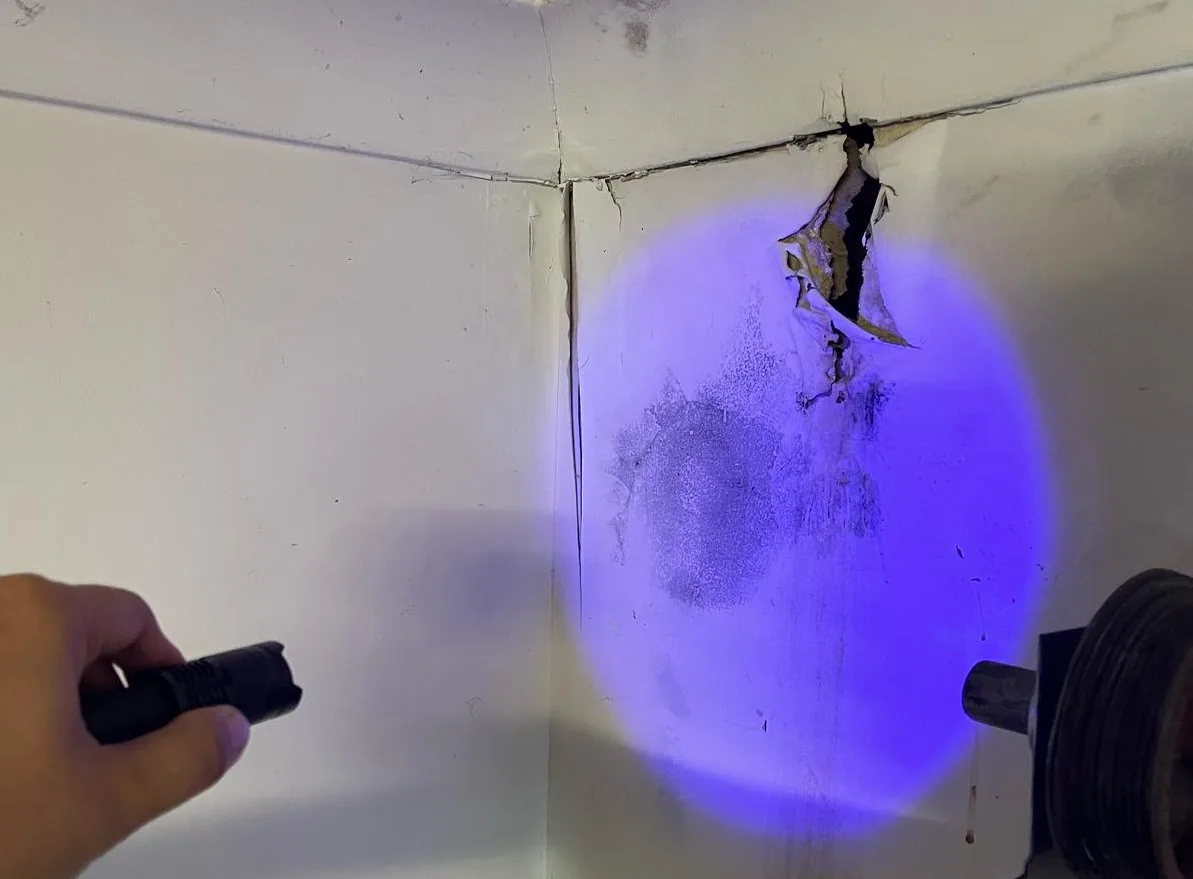
Assessment identified that storm impact had compromised the external wall, allowing water to enter through the window frame and affect internal materials.
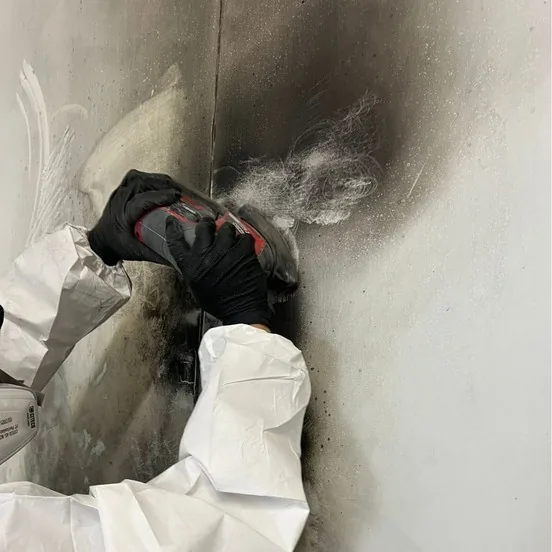
This resulted in localised damage to plasterboard, trims, and paint, with conditions suitable for mould amplification.
The affected zone remained contained but required professional attention due to the presence of contaminated moisture.
This case highlights the importance of early inspection and proper remediation following storm damage.
Addressing both the internal impact and the external entry points is critical to preventing ongoing moisture issues.
Following restoration, repairs and improved sealing measures help ensure the property remains protected against future weather events.
What Not to Do When You Restore Water Damage
- Do not ignore the power switch.
- Do not wait till next week like it is a boring chore.
- Do not blast heat in a closed room and hope.
- Do not paint over stains like it is face paint on kids’ day.
- Do not keep wet carpet stuck to the slab if it smells funky.
Simple Gear That Helps
- Wet and dry vacuum for puddles.
- Fans to push air like a summer northerly.
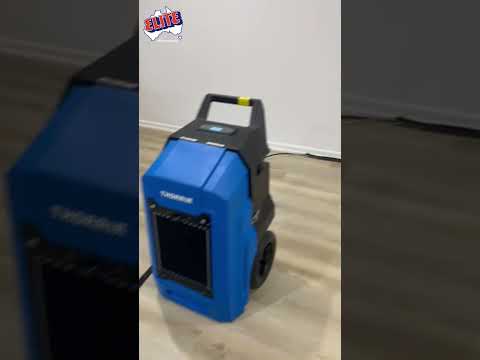
- Dehumidifier to pull moisture out of the air.
- Moisture meter, if you can get one.
- Buckets, towels, and a mop army.
.webp)
When Is It Safe Again
It is safe when surfaces are dry to the touch and to the meter.
There is no musty smell playing nose games.
No new stains or bubbles show up like surprise guests.
Rooms feel fresh, and the air does not taste like a swimming pool.
Insurance Tips That Save Time
- Take clear photos before and after every step.
- Keep receipts for gear and services.
- Write a simple timeline like a short match report.
- Ask your insurer what they need and get it in writing.
How to Stop Round Two
- Clean gutters before big rain like you mean it.
- Check flexi hoses and taps for sneaky drips.
- Service the washing machine and hot water unit each year.
- Seal bathroom and laundry areas so water stays where it should.
- Store precious things off the floor like a trophy on a shelf.
FAQs
What do I do first after a leak
Make the area safe, shut off power to wet rooms, and stop the water source.
How fast should I start drying
Start right away and aim for the first day to be all action.
Can I save wet carpet
Often, yes, if clean water caused it and you dry it fast with strong airflow and dehumidifiers.
When should I call a professional
Call when walls are wet, the space is large, or the water is from a dirty source.
Will I get mould
Mould can grow in a few days if moisture hangs about, so dry quickly and keep air moving.
What gear works best
Fans, dehumidifiers, wet vacs, and a moisture meter give you the best shot at a full dry.
What about the smell
Smells fade when moisture is gone, so keep drying and clean hard surfaces with a safe sanitiser.
Do I need to remove skirting boards
Sometimes, yes, to let air reach wall cavities, which love to hide damp spots.
Should I turn on the heater
Use gentle warmth plus airflow and dehumidifiers rather than trapping heat in a sealed room.
How do I know it is dry
Use a moisture meter and wait for stable readings over a couple of days.
Ready to Sort It Today
Want a fast quote without the runaround?
Book here and get help on the double from national, compliance-focused teams.
Prefer a quick chat on your mobile?
Elite Resoration provides national coverage with certified, compliance-first teams.
Now you know how to properly restore water damage.